
- India
- Dec 05
Rupee breaches 90-mark against US dollar for first time
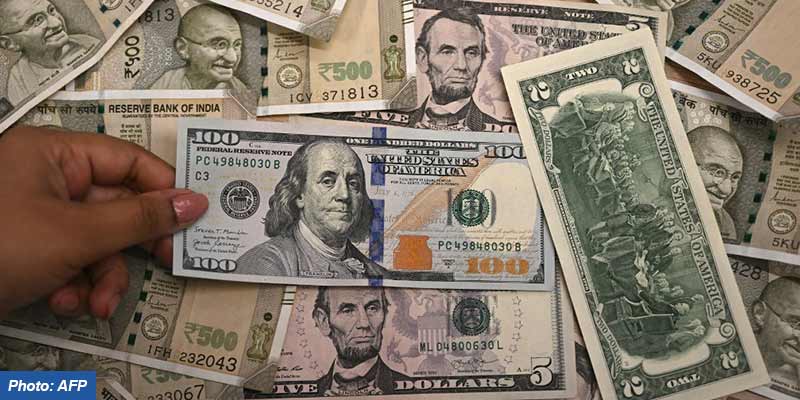
• The rupee slumped to an all-time low of 90.43 against the US dollar on December 4.
• It is the first time the rupee breached the 90-mark per dollar.
• According to experts, a depreciating rupee will help exporters and the IT sector, but make imports costlier, thus fuelling inflation.
• Opposition parties raised concern over its impact on common citizens.
What is driving the rupee depreciation?
• The rupee has been among Asia’s weakest performers, as steep US tariffs on Indian goods hurt exports to its largest market and have dampened foreign investor appetite for Indian equities.
• As the dollar index strengthens, the rupee typically weakens as do other currencies. But right now, the US dollar index has slipped below 100, signalling its weakness.
• Still, the rupee has continued to fall against the dollar. There are multiple reasons that are exerting pressure on the rupee.
• When FIIs sell Indian stocks and pull out money, the demand for US dollar increases and in turn puts pressure on the rupee.
• Another key reason behind the rupee slump has been ongoing uncertainty around US tariffs.
• Also, escalating geopolitical tension and the crash in cryptocurrencies have driven safe haven flows into the dollar.
Widespread impact
• The continued depreciation in the rupee will have a wide-ranging impact.
• India imports 90 per cent of its crude oil requirements. A major requirement of our edible oil needs is also met through imports. A weak rupee means importing oil becomes that much more expensive.
• Similarly, imported electronic parts or finished goods like laptops, imported phones and other gadgets also cost more.
• For a student studying abroad, then tuition and other expenses are also becoming dearer. For instance, if a student is spending $75,000, it would have cost Rs 56.25 lakh five years ago when the rupee was at 75 against the dollar. Now at 90, it will cost Rs 67.50 lakh, which is a sizable increase, especially for middle-class families.
• If any individual or a corporate had availed a dollar loan, repaying that would also get expensive in rupee terms.
• Similarly, vacation abroad also becomes more expensive. If a trip cost $5,000 in 2020, you would have had to spend Rs 3.75 lakh with the rupee at 75. Now, with the rupee at 90, it will cost Rs 4.50 lakh.
• Exporters typically benefit from a falling rupee, as it makes Indian products and services abroad much more competitive.
• However, shipments to the US, India’s largest export market, have already been under pressure, due to the steep tariffs imposed.
• The falling rupee can also benefit services exports like business process outsourcing and software services.