
- World
- Feb 20
Next-generation influenza vaccines could save millions of lives
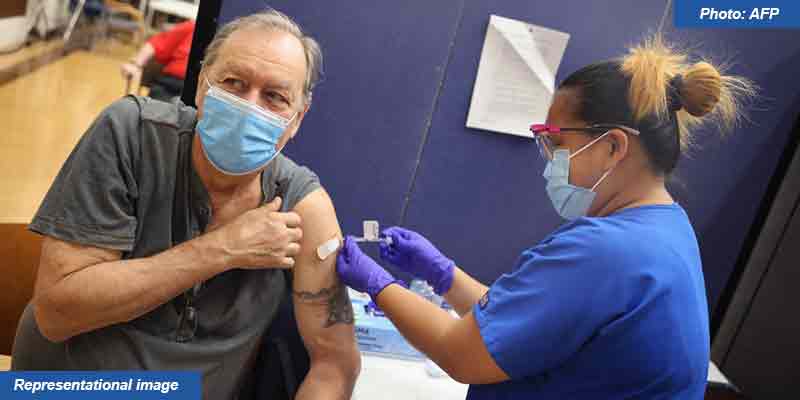
• Next generation influenza vaccines that provide broader and longer-lasting protection than existing seasonal vaccines, could play a vital role in reducing the global burden of influenza, according to a recent World Health Organisation (WHO) assessment.
One billion cases of influenza occur annually
• Influenza is an acute respiratory disease caused by infection with seasonal influenza viruses in humans.
• Influenza viruses circulate globally, resulting in seasonal epidemics.
• In temperate climates, seasonal influenza epidemics are typically experienced during the winter, while year-round circulation with irregular outbreaks or prolonged influenza seasons can occur in tropical/sub-tropical regions.
• Influenza viruses are transmitted primarily through droplets and aerosols from respiratory secretions of infected individuals, and infection can range from asymptomatic to severe illness and death.
Four types of influenza viruses
• There are 4 types of influenza viruses, types A, B, C and D. Influenza A and B viruses circulate and cause seasonal epidemics of disease.
i) Influenza A viruses are further classified into subtypes according to the combinations of the proteins on the surface of the virus. Currently circulating in humans are sub-type A(H1N1) and A(H3N2) influenza viruses. The A(H1N1) is also written as A(H1N1)pdm09 as it caused the pandemic in 2009 and replaced the previous A(H1N1) virus which had circulated prior to 2009. Only influenza type A viruses are known to have caused pandemics.
ii) Influenza B viruses are not classified into sub-types but can be broken down into lineages. Influenza type B viruses belong to either B/Yamagata or B/Victoria lineage.
iii) Influenza C virus is detected less frequently and usually causes mild infections, thus does not present public health importance.
iv) Influenza D viruses primarily affect cattle and are not known to infect or cause illness in people.
• A key feature of influenza viruses is their ability to evolve continuously and rapidly.
• An estimated 1 billion cases of influenza occur annually, of which 3-5 million are severe, resulting in between 290,000 and 650,000 influenza-related respiratory deaths.
• Most people recover from fever and other symptoms within a week without requiring medical attention.
• Vaccination is the best way to prevent the disease.
• Immunity from vaccination goes away over time so annual vaccination is recommended to protect against influenza.
• The vaccine may be less effective in older people, but it will make the illness less severe and reduce the chance of complications and death.
Full Value of Improved Influenza Vaccine Assessment
• The new WHO Full Value of Improved Influenza Vaccine Assessment (FVIVA) and Vaccine journal article evaluate the health, economic, and policy impacts of next-generation influenza vaccines and identifies future barriers to their uptake globally.
• They provide a basis to guide investment, policy decisions, and introduction strategies — supporting stronger seasonal influenza programmes and enhanced pandemic preparedness.
• While current influenza vaccines help reduce the burden of disease, their effectiveness can vary by season, product, and population group. Protection is limited to one season.
• Twice a year, WHO convenes experts from the Global Influenza Surveillance and Response System to issue recommendations for the influenza vaccine strain composition.
• While 143 countries reported to WHO that they have seasonal influenza vaccines available, upper-middle and high-income countries use the majority of influenza vaccine doses.
• The FVIVA estimates that if improved, next-generation, or universal influenza vaccines are available and widely used between 2025 and 2050, they could prevent up 18 billion cases of influenza and save up to 6.2 million lives globally, particularly among people at higher risk of severe disease, such as older adults, young children and pregnant women.
• Next-generation influenza vaccines could avert up to 1.3 billion defined daily doses of antibiotics between 2025 and 2050, contributing significantly to combating increasing antimicrobial resistance globally.
• The Full Value of Vaccine Assessment framework is designed to support evidence-informed dialogue among governments, researchers, manufacturers and partners by providing a comprehensive overview of the potential value of improved vaccines and the considerations relevant to their development and use.