
- India
- Feb 13
Retail inflation slides to 19-month low
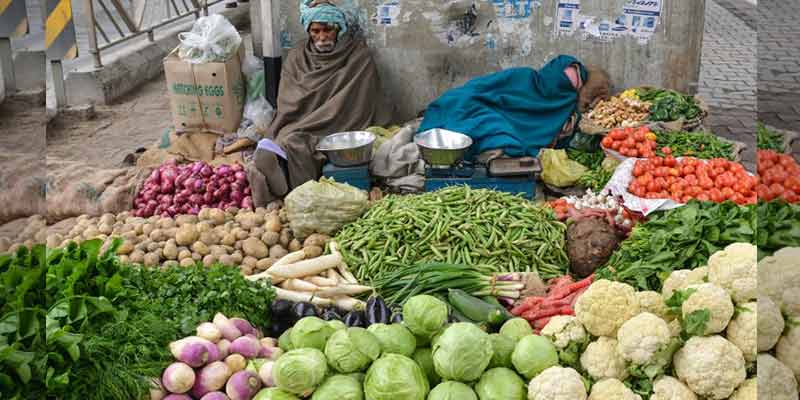
Retail inflation fell to a 19-month low of 2.05 per cent in January due to a decline in prices of food articles, mainly fruits and vegetables, coupled with the easing of fuel cost, government data showed on February 12.
The Consumer Price Index (CPI)-based retail inflation was revised downwards for December to 2.11 per cent from the earlier estimate of 2.19 per cent, showed data from the Central Statistics Office (CSO). In January 2018, retail inflation was at 5.07 per cent.
Fruits, vegetables and eggs continued to witness a deflationary trend during January, with their prices declining 4.18 per cent, 13.32 per cent and 2.44 per cent, respectively, according to CSO data released by the Ministry of Statistics and Programme Implementation.
The rate of price rise in the ‘fuel and light’ category was 2.20 per cent in January, compared with 4.54 per cent in December.
The overall food inflation in January remained in the negative zone at -2.17 per cent. It was -2.51 per cent in December.
The previous low than the latest print of 2.05 per cent was back in June 2017, when retail inflation was at 1.46 per cent.
This, along with core inflation at 5.36 per cent, presents a scenario of CPI year-on-year growth between 2 and 3 per cent in the next five months. This raises the probability of rate cuts in April and beyond.
Meanwhile, industrial output growth remained subdued at 2.4 per cent in December on account of contraction in the mining segment and a poor show by the manufacturing sector.
Factory output as measured in terms of the Index of Industrial Production (IIP) had grown by 7.3 per cent in December 2017, according to CSO data.
The industrial growth for November 2018 was revised to 0.3 per cent from the provisional estimate of 0.5 per cent released last month.
During April-December 2018-19, industrial output grew at 4.6 per cent against 3.7 per cent in the same period of the previous fiscal.
The manufacturing sector, which constitutes 77.63 per cent of the index, recorded a low growth of 2.7 per cent in December as against 8.7 per cent expansion in the year-ago month.
Mining sector production contracted by 1 per cent in December as against 1.2 per cent growth in December 2017.
The growth of the power sector output remained flat at 4.4 per cent in December.
Capital goods output grew at 5.9 per cent, compared to 13.2 per cent growth a year ago. Consumer durables output grew by 2.9 per cent as against a growth of 2.1 per cent in December 2017. Consumer non-durable goods growth was also low at 5.3 per cent in December as compared to 16.8 per cent growth in the year-ago month.
In terms of industries, 13 out of 23 industry groups in the manufacturing sector showed positive growth during December.