
- India
- Jun 20
DRDL, JNU develop Anthrax vaccine
Researchers from Mysuru-based Defence Research and Development Laboratory (DRDL) and Jawaharlal Nehru University (JNU) have developed a new vaccine against anthrax. It is claimed to be superior over existing vaccines as it can generate an immune response to anthrax toxin as well as its spores rather than the toxin alone.
What is anthrax?
Anthrax is a deadly human disease caused by the bacterium Bacillus anthracis, which also infects animals such as horses, sheep, cattle and goats. Humans, pigs and dogs are comparatively less susceptible and only get infected if exposed to copious amount of spores.
Spores of the bacterium that causes anthrax are present in soil and can stay in latent form for years. Often, animals pick up spores while grazing, following which spores germinate in their body and produce toxins.
How are people infected with anthrax?
People get infected with anthrax when spores get into the body. When they become active, the bacteria can multiply, spread out in the body, produce toxins and cause severe illness. This can happen when people eat food or drink water that is contaminated with spores, or get spores in a cut or scrape in the skin.
The anti-anthrax vaccines available in the market generate immune response against a Bacillus protein-protective antigen - a protein that helps in transport of bacillus toxins inside the cells. This means that immune response is triggered only when spores germinate in body and start producing bacterial proteins. Anyone vaccinated with such a vaccine would show no immune response to bacillus spores and only perform once spores germinate and release toxins.
DRDL and JNU researchers stitched together portions of two genes: protective antigen protein and protein present in outer layer of spore. The protein thus produced was a fusion of the two proteins and was injected into mice.
After a few days, scientists found that injected mice had high concentration of antibodies against fused proteins in its blood, showing immune response against the injected protein. It was found that these antibodies were also able to individually bind both protective antigen and spore protein demonstrating that the vaccine can produce an immune response against both spores and the toxin.
Where is anthrax found?
Anthrax is most common in agricultural regions of Central and South America, sub-Saharan Africa, central and southwestern Asia, southern and eastern Europe and the Caribbean.
Anthrax is more common in developing countries and countries that do not have veterinary public health programmes that routinely vaccinate animals against anthrax. In the US, yearly vaccination of livestock is recommended in areas where animals have had anthrax in the past.
Bioterrorism
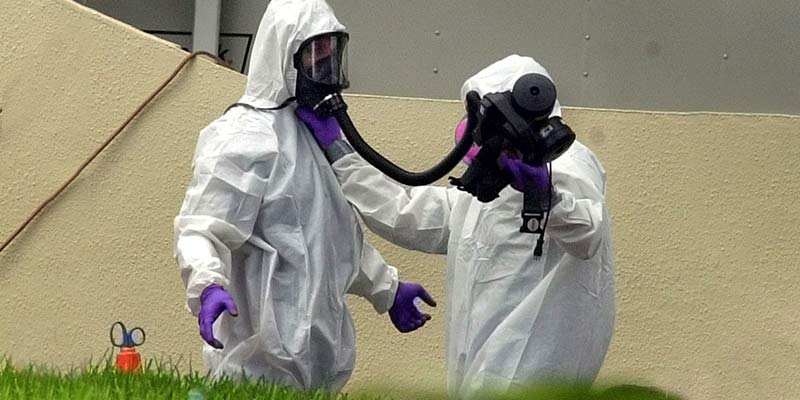
Bioterrorism, the deliberate, private use of biological agents to harm and frighten the people of a state or society, is related to the military use of biological, chemical and nuclear weapons. Attacks with biological agents are among the most insidious and breed the greatest fear. Attacks could go undetected for a long time, potentially exposing a vast number of people, who are unaware of the threat.
Anthrax has been used in biological warfare by agents and by terrorists to intentionally infect.
In 2001, it was spread in the US through mail. It killed five people and 22 others fell ill.