
- India
- Dec 18
Explainer / Floor rates for mobile usage
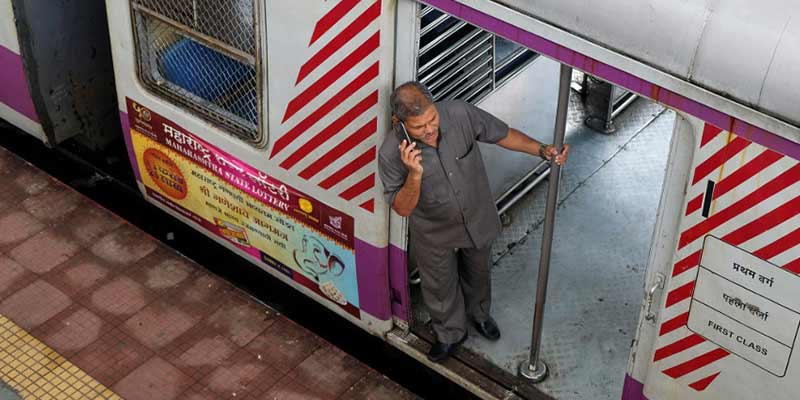
The telecom regulator has begun consultations to fix minimum or floor rates for mobile phone calls and data, a move likely to end the regime of free calling and dirt cheap data.
Phone call and data rates are not regulated at present. However, private telecom operators unanimously approached the Telecom Regulatory Authority of India (TRAI) to fix minimum prices for mobile and internet rates.
The outcome is expected to further hike mobile call and data costs as the industry wants average revenue per user should reach Rs 300 per month from about Rs 125 at present over a period of two year to provide relief to the telecom sector, which is reeling under debt of around Rs 7.8 lakh crore.
TRAI consultation paper
In the ‘Consultation Paper on Tariff Issues of Telecom Services’, TRAI said that there have been minor adjustments by telecom service providers (TSPs) to their tariff offerings since the initial announcement.
“It is to be seen whether further readjustments in tariffs will be done in view of the high level of competition in the market. In such a scenario, where the TSPs have recently announced a substantial hike in tariffs, it needs to be discussed whether there is still a need for any regulatory intervention,” TRAI said.
The development comes after telecom operators Bharti Airtel, Vodafone Idea and Reliance Jio - which account for 90 per cent market share - raised mobile call and internet rates by up to 50 per cent from December 3.
This is the first hike in the past five years in the telecom sector facing tariff war, with voice calls becoming almost free in 2016 and a steep 95 per cent fall in data prices to Rs 11.78 per GB at present from Rs 269 per GB in 2014.
TRAI has sought comments on various points, including requirement for regulation of telecom tariffs, need to fix floor price despite telecom operators raising mobile call and internet rates, relevant floor price, and methodology to determine floor price, among others.
While telecom operators requested for minimum price for mobile data only, TRAI has also sought public comments on fixing minimum price for phone calls by January 17 and counter comments by January 31. TRAI started the process immediately after its decision to continue with six paise per minute charge on calls made to other networks.
Bharti Airtel had been in the lead for demanding floor rates for the viability of the sector that had seen margins erosion in competing with free voice calls and dirt cheap data from newcomer Reliance Jio.
COAI bats for tariff regulation
In a letter to TRAI on December 3, the Cellular Operators Association of India (COAI) said that Reliance Jio, Bharti Airtel and Vodafone Idea have agreed that data tariffs should be regulated.
“We further submit that the tariff correction in the current level of fierce competition is not possible by any service provider voluntarily and thus the only option available is prescription of a minimum tariff for mobile data service by the authority,” COAI director general Rajan Mathews had said in the letter.
TRAI said it did not regulate tariff as it gave telecom operators freedom and flexibility to decide on call and data rates as per market demand.
“Most economists also advise against the fixation of price controls as it leads to economic inefficiencies, consumer harm, market distortions and reduced innovation,” TRAI said, adding that health and orderly growth of the sector are equally important.
While the industry opposed regulating phone services rates in the past, COAI in December requested TRAI to start the regulation of data price by setting floor price as soon as possible.
Apex court judgment
The move to raise mobile call and internet rates follows the Supreme Court judgment on October 24, upholding the government’s method of calculating revenue share that it should get from earnings of service providers.
Vodafone Idea last month reported a consolidated loss of Rs 50,921 crore for the September quarter - the highest ever quarterly loss posted by any Indian corporate - on account of liability arising out of the SC order.
The company has estimated liability of Rs 44,150 crore post the apex court order, and made provisioning of Rs 25,680 crore in the second quarter this fiscal.
Bharti Airtel had posted a staggering Rs 23,045 crore net loss for the second quarter ended September 30 due to provisioning of Rs 28,450 crore in the aftermath of the SC ruling on statutory dues.
The government is not considering any proposal on waiver of penalties and interest on outstanding licence fee based on adjusted gross revenue, or on extending the timelines for telcos to pay up their statutory dues.
Manorama Yearbook app is now available on Google Play Store and iOS App Store