
- India
- Nov 15
Explainer / Pradhan Mantri Awaas Yojana - Gramin
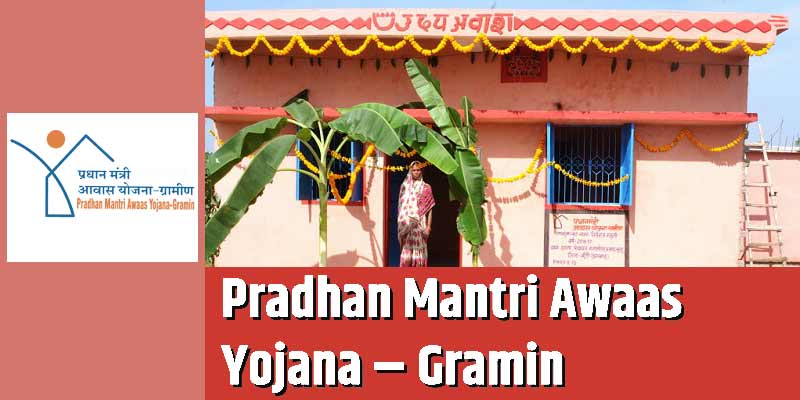
Prime Minister Narendra Modi transferred the first instalment of Pradhan Mantri Awas Yojana-Gramin (PMAY-G) to more than 1.47 lakh beneficiaries of Tripura.
Over Rs 700 crore was credited directly to the bank accounts of the beneficiaries on the occasion.
Taking into account the unique geo-climatic condition of Tripura, the definition of ‘kuccha’ house has been changed specifically for the state, which has enabled such a large number of beneficiaries living in ‘kuccha’ houses to get assistance to construct a ‘pucca’ house.
Pradhan Mantri Awaas Yojana - Gramin
• Housing is universally recognised as a basic human need. Reducing rural housing shortage and improving the quality of housing especially for the poor is an important component of the poverty alleviation strategy of the government.
• The rural housing programme started with Indira Awaas Yojana (IAY) in January 1996. However, certain gaps were identified during the concurrent evaluations and the performance audit by the Comptroller and Auditor General (CAG) of India in 2014.
• To address these gaps in the rural housing programme and in view of the government’s commitment to providing housing for all by the scheme, the IAY was restructured into the Pradhan Mantri Awaas Yojana - Gramin (PMAY-G) from April 1, 2016.
• PMAY-G aims at providing a pucca house with basic amenities to houseless people and those households living in kutcha and dilapidated houses by 2022.
• As per housing deprivation data of Socio – Economic Caste Census (SECC) - 2011 survey, 2.95 crore beneficiaries were identified to be provided with houses by March 2022. As on Match 31, 2021, as many as 1.92 crore houses have been sanctioned and 1.36 crore houses have been completed.
Key features of PMAY-G are:
• Increase in minimum unit (house) size from 20 sq.mt. to 25 sq.mt. including a dedicated area for hygienic cooking.
• Increased monetary assistance of Rs.1.20 lakh in plains and Rs.1.30 lakh in hilly states, difficult areas and Integrated Action Plan districts in tribal and backward regions.
• The cost of unit assistance to be shared between central and state governments in the ratio 60:40 in plain areas and 90:10 for North Eastern and hilly states.
• Construction of quality houses by the beneficiaries using local materials and trained masons.
• Beneficiary also has a wide bouquet of structurally sound, aesthetically, culturally and environmentally appropriate house designs available to choose from rather than standard cement concrete house designs.
• Funds will be transferred electronically directly to the account of the beneficiary.
• The beneficiary would be facilitated to avail loan of up to Rs 70,000 for construction of the house which is optional.
• The beneficiary is entitled to 90 days of unskilled labour from MGNREGA. This will be ensured through a server linkage between PMAY and MGNREGA.
Manorama Yearbook app is now available on Google Play Store and iOS App Store