
- India
- May 31
Explainer / What is West Nile Virus?
• A 47-year-old man died due to West Nile fever in Kerala’s Thrissur district, the first fatality in the state caused by the vector-borne infection in the last three years.
• The health department said it took proactive measures as soon as a case of West Nile fever was detected in Thrissur district.
• The fever was first detected in Kerala in 2011 and a six-year-old boy from Malappuram died due to the fever in 2019.
West Nile Virus
• West Nile Virus (WNV) can cause a fatal neurological disease in humans. However, approximately 80 per cent of people who are infected will not show any symptoms.
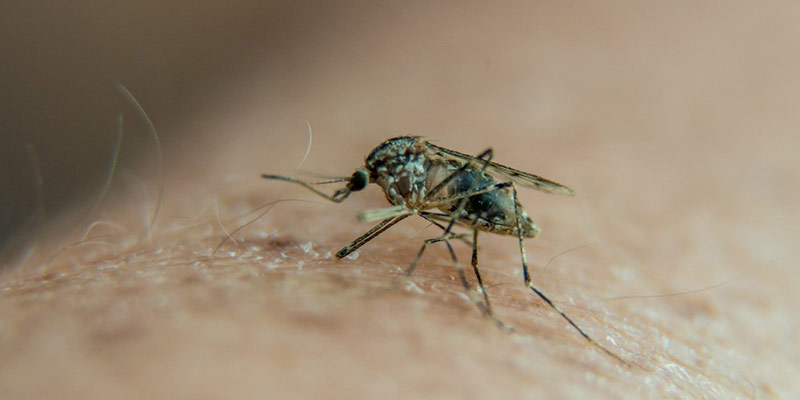
• West Nile Virus is mainly transmitted to people through the bites of infected mosquitoes.
• It is a member of the flavivirus genus and belongs to the Japanese encephalitis antigenic complex of the family Flaviviridae.
• WNV was first isolated in a woman in the West Nile district of Uganda in 1937. It was identified in birds (crows and columbiformes) in Nile delta region in 1953.
• Before 1997, WNV was not considered pathogenic for birds, but at that time in Israel a more virulent strain caused the death of different bird species presenting signs of encephalitis and paralysis.
• Human infections attributable to WNV have been reported in many countries in the World for over 50 years.
Transmission of the virus
• Human infection is most often the result of bites from infected mosquitoes. Mosquitoes become infected when they feed on infected birds.
• The virus may also be transmitted through contact with other infected animals, their blood, or other tissues.
• A very small proportion of human infections have occurred through organ transplant, blood transfusions and breast milk.
What are the symptoms?
• Infection with WNV is either asymptomatic (no symptoms) in around 80 per cent of infected people, or can lead to West Nile fever or severe West Nile disease.
• About 20 per cent of people who become infected with WNV will develop West Nile fever.
• Symptoms include fever, headache, tiredness, and body aches, nausea, vomiting, occasionally with a skin rash (on the trunk of the body) and swollen lymph glands.
• It is estimated that approximately one in 150 persons infected with the West Nile virus will develop a more severe form of disease.
• The symptoms of severe disease (also called neuroinvasive disease, such as West Nile encephalitis or meningitis or West Nile poliomyelitis) include headache, high fever, neck stiffness, stupor, disorientation, coma, tremors, convulsions, muscle weakness, and paralysis.
Treatment
• No vaccine or specific medicines are available for West Nile virus infection.
• Over-the-counter pain relievers can be used to reduce fever and relieve some symptoms.
• In severe cases, patients often need to be hospitalized to receive supportive treatment, such as intravenous fluids, pain medication, and nursing care.
Manorama Yearbook app is now available on Google Play Store and iOS App Store