
- India
- Jan 05
Dieback disease hits neem trees in Telangana
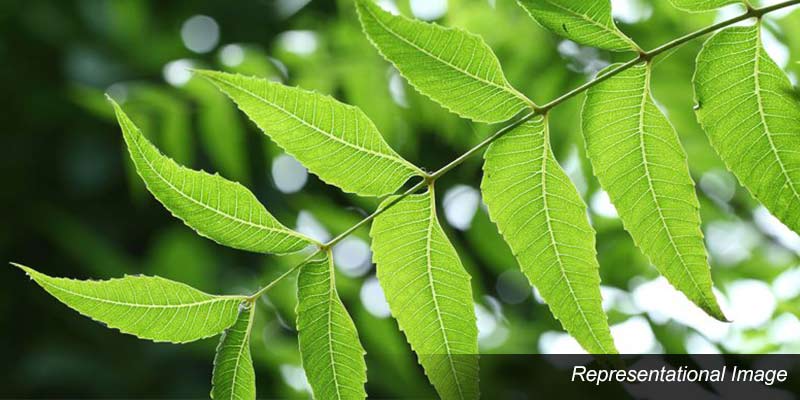
• It has become a familiar sight in Telangana and also in some other southern states over the last few years that twigs and leaves of neem trees dry up.
• Neem shows antibacterial, anti-fungal, and other versatile properties, but it does not exempt the neem trees from being attacked by pests and diseases.
• The dieback disease affects leaves, twigs and the inflorescence of neem trees of all ages and it causes almost 100 per cent loss of fruit production in severely infected trees.
• The dieback disease was first reported in the country during the 1990s near Dehradun in Uttarakhand, while it was first noticed in Telangana in 2019.
• Since it was first detected three years ago, the disease had waned but resurfaced in Telangana this time around.
• The dieback disease is mainly caused by fungi Phomopsis Azadirachtae.
• The appearance of symptoms starts with the onset of the rainy season and becomes progressively severe in the later part of the rainy season and early winter.
• The dieback is a fungal disease but the neem trees are sometimes hit by insect infestation and the combination of both increases its impact.
• To control the disease, the twigs affected by the disease should be cut and a blend of fungicide and insecticide can be sprayed after their removal.
• Alternatively, a pit should be dug around an affected tree and water mixed with fungicide and an insecticide should be poured in it.
• However, the efforts to treat the affected trees should be taken up as a cluster either in a village or in a residential locality in urban areas as the fungus is airborne. Even if treatment is carried out for one tree, the fungus spores from a nearby tree can affect the treated plant again, experts said.
Manorama Yearbook app is now available on Google Play Store and iOS App Store