
- India
- Feb 08
- Sreesha V.M
Impact of 100-day TB Mukt Bharat Abhiyan
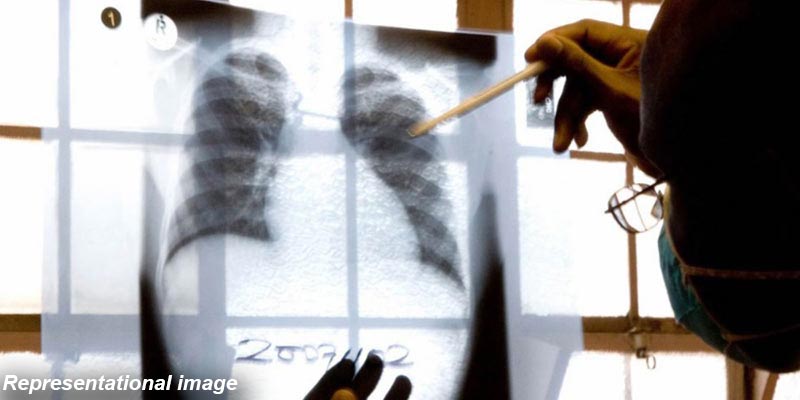
• Union Health Minister J.P. Nadda said that 5.63 crore vulnerable individuals have been screened and 1.59 lakh new tuberculosis patients notified since the launch of TB Mukt Bharat Abhiyan — a 100-day intensified TB elimination campaign in 347 districts.
• In a written response to a question in Lok Sabha, Nadda said 4.94 lakh Ni-kshay shivirs have been held while 86,748 new Ni-kshay Mitras have been registered and 1.12 lakh food baskets disbursed to TB patients and their family members.
• On December 7, 2024, the government launched the intensified TB Mukt Bharat Abhiyan in identified 347 priority districts across 33 states and UTs, including eight districts of Himachal Pradesh, to accelerate the endeavour to achieve Sustainable Development Goals related to TB.
• Out of the total campaign districts, 38 are tribal, 27 are mining and 46 are aspirational districts.
Key facts about Tuberculosis:
• Tuberculosis is caused by bacteria (Mycobacterium tuberculosis) that most often affect the lungs. It can spread when people who are sick with TB expel bacteria into the air – for example, by coughing.
• Every year, 10 million people fall ill with TB. Despite being a preventable and curable disease, 1.5 million people die from TB each year.
• TB is the leading cause of death of people with HIV and also a major contributor to antimicrobial resistance.
• Most people who develop the disease are adults.
• TB is preventable and curable. About 85 per cent of people who develop TB disease can be successfully treated with a 4/6-month drug regimen. Treatment has the added benefit of curtailing onward transmission of infection.
• Economic and financial barriers can affect access to health care for TB diagnosis and completion of TB treatment; about half of TB patients and their households face catastrophic total costs due to TB disease.
• Progress towards universal health coverage (UHC), better levels of social protection and multisectoral action on broader TB determinants are all essential to reduce the burden of TB disease.
• As per the World Health Organisation’s Global TB Report 2024, India contributed to 26 per cent of the global TB burden of cases in 2023.
• The National TB Elimination Programme (NTEP) is implemented under the aegis of the National Health Mission (NHM). NTEP has made significant efforts to make India TB free.
• The incidence rate of TB in India has shown a 17.7 per cent decline from 237 per 100,000 population in 2015 to 195 per 100,000 population in 2023.
• TB deaths have reduced by 21.4 per cent from 28 per lakh population in 2015 to 22 per lakh population in 2023.
Govt’s initiatives for early screening
The steps taken by the government to ensure early detection, better access to treatment and community participation, particularly in rural and tribal areas, are:
• Targeted interventions in high TB burden areas through State and District Specific Strategic plans.
• Provision of free drugs and diagnostics to TB patients.
• Active TB case-finding through campaigns in key vulnerable and co-morbid populations.
• Integration of Ayushman Arogya Mandir with TB screening and treatment services.
• Private sector engagement with incentives for notification & management of TB cases.
• Scale up of molecular diagnostic laboratories to sub-district levels.
• Introduction of all oral, shorter, safer and more efficacious treatment for drug resistant TB.
• Enhancement of incentives to Rs 1,000 per month per patient through direct benefit transfer (DBT), under Ni-kshay Poshan Yojana for nutritional support.
• Provision of additional nutritional, diagnostic and vocational support to TB patients and household contacts under Ni-kshay Mitra initiative.
• Provision of TB Preventive Treatment to contacts of TB patients and vulnerable populations.
• Tracking of notified TB cases through Ni-kshay portal.
• Intensified Information, Education & Communication interventions to reduce stigma, enhance community awareness and improve health seeking behaviour.
Additional Read:
Tuberculosis replaces COVID-19 as top infectious disease killer
The World Health Organisation (WHO) published the Global Tuberculosis Report 2024. It revealed that approximately 8.2 million people were newly diagnosed with TB in 2023 — the highest number recorded since WHO began global TB monitoring in 1995.
(The author is a trainer for Civil Services aspirants.)