
- India
- Nov 27
UIDAI deactivates over 2 crore Aadhaar numbers of deceased individuals
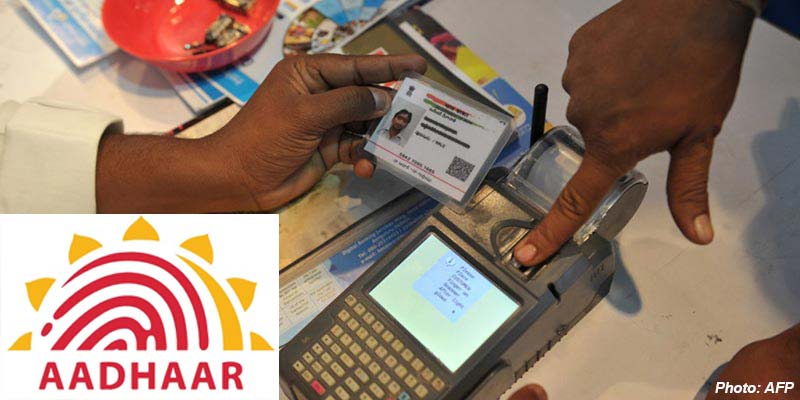
• The Unique Identification Authority of India (UIDAI) has deactivated more than 2 crore Aadhaar numbers of deceased individuals, as part of a nationwide clean-up effort to maintain the continued accuracy of the Aadhaar database.
• UIDAI has sourced deceased persons’ data from the Registrar General of India (RGI), states and Union Territories, public distribution system, national social assistance program, among others.
• UIDAI is encouraging Aadhaar number holders to report the death of their family members on myAadhaar Portal after obtaining their death certificate from the death registering authorities.
• No Aadhaar number is ever re-assigned to another individual.
• However, in case of the death of a person, it is essential that the Aadhaar number of the deceased is deactivated to prevent potential identity fraud, or unauthorised usage of such Aadhaar number for availing welfare benefits.
• UIDAI initiates action to deactivate the Aadhaar number of the deceased person after due process of validation of the information submitted by the family member.
Unique Identification Authority of India (UIDAI)
• The Unique Identification Authority of India (UIDAI) is a statutory authority established under the provisions of the Aadhaar (Targeted Delivery of Financial and Other Subsidies, Benefits and Services) Act, 2016 (Aadhaar Act, 2016) on July 12, 2016 by the government of India, under the ministry of electronics and information technology (MeitY).
• The Aadhaar Act, 2016 has been amended by the Aadhaar and Other Laws (Amendment) Act, 2019.
• Prior to its establishment as a statutory authority, UIDAI was functioning as an attached office of the then Planning Commission (now NITI Aayog).
• On September 12, 2015, the government revised the Allocation of Business Rules to attach the UIDAI to the Department of Electronics & Information Technology (DeitY).
• UIDAI was created with the objective to issue Unique Identification numbers (UID), named as Aadhaar, to all residents of India.
• UIDAI has its headquarters in New Delhi and functions through its eight regional offices situated in Bengaluru, Chandigarh, Guwahati, Hyderabad, Lucknow, Mumbai, New Delhi and Ranchi.
• UIDAI has two data centres – one at Hebbal (Bengaluru) in Karnataka and the other at Manesar (Gurugram) in Haryana.
• The first UID number was issued on September 29, 2010 to a resident of Nandurbar in Maharashtra.
What is Aadhaar?
• Aadhaar is a 12-digit unique ID issued to an individual. Aadhaar uses demographic information (name, date of birth, gender and address), photograph of the face, fingerprints and iris to identify a resident. These items of information are mandatory.
• The objective of Aadhaar is to empower residents of India with a unique identity and digital platform only for the purpose of identity proof.
• Aadhaar number is a proof of identity. It does not confer any right of citizenship or domicile in respect of an Aadhaar number holder.
• Under the Aadhaar Act, 2016, UIDAI is responsible for Aadhaar enrolment and authentication, including operation and management of all stages of Aadhaar life cycle, developing the policy, procedure and system for issuing Aadhaar numbers to individuals and perform authentication and the security of identity information and authentication records of individuals.