
- India
- Jan 03
Electronics Component Manufacturing Scheme (ECMS)
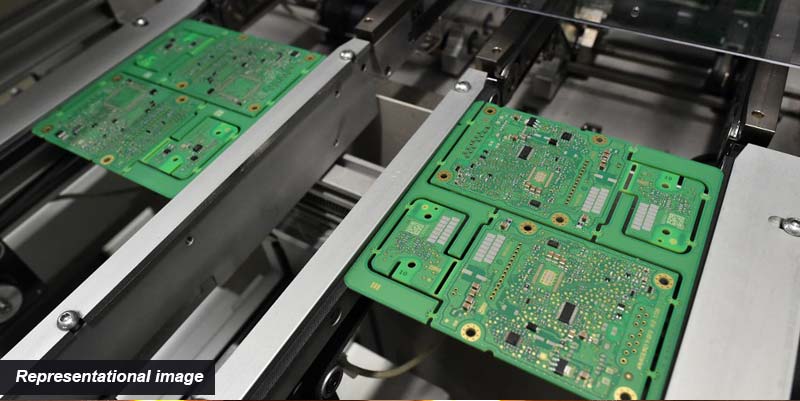
• The Ministry of Electronics and Information Technology (MeitY) has approved 22 proposals under the Electronics Components Manufacturing Scheme (ECMS) with a projected investment of Rs 41,863 crore and production worth Rs 2,58,152 crore.
• This is the third set of clearances under the scheme.
• These approvals are expected to generate 33,791 direct employment opportunities.
• The first batch of seven ECMS approvals worth Rs 5,532 crore was announced in October 2025.
• In the second tranche announced in November 2025, the government had greenlit 17 proposals totalling Rs 7,172 crore investment, and entailing production worth Rs 65,111 crore and 11,808 direct jobs.
• With the latest tranche of approvals, a total of 46 applications have been approved under the ECMS so far across 11 states, with a total investment of Rs 54,567 crore, generating direct employment for about 51,000 people.
Electronics Component Manufacturing Scheme
• On March 28, 2025, the Union Cabinet approved the Electronics Component Manufacturing Scheme.
• The scheme was notified on April 8, 2025.
• It aims to support manufacturing of components such as printed circuit boards, mechanical components, sub-assemblies, camera modules, optical transceivers, capital goods needed to manufacture these components, etc.
• It also aims to develop a robust component ecosystem by attracting large investments (global/domestic) in electronics component manufacturing ecosystem, by developing capacity and capabilities, and integrating Indian companies with Global Value Chains (GVCs).
• The scheme is expected to attract investment of Rs 59,350 crore, resulting in the production of electronic components worth over Rs 4.5 lakh crore and generate additional direct employment of 91,600 persons and many indirect jobs during its tenure.
• The scheme is spread over a period of six years with three incentive components — employment, capital requirement and turnover of the companies.
• Through the scheme, the government is looking to have a change in the mindset of companies to export-led growth to become a major supplier of many of the electronic components.