
- India
- Jan 30
Govt notifies coking coal as critical, strategic mineral
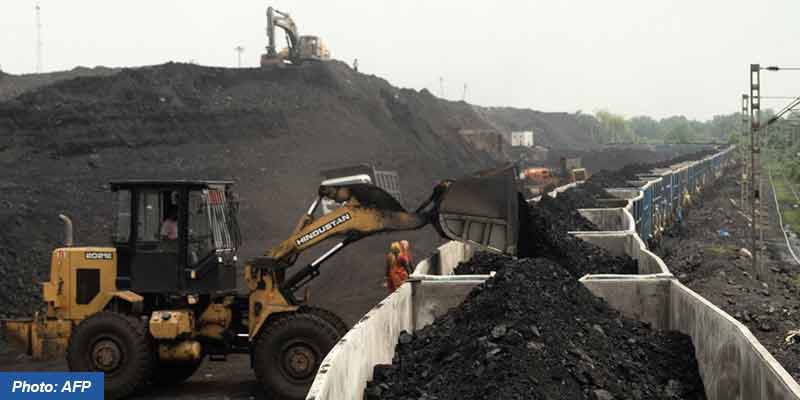
• The government notified coking coal as a critical and strategic mineral, a move aimed at reducing dependence on imports and strengthening the domestic steel supply chain.
• Coking coal is a key raw material in steel-making.
India’s coal sector
• Coal is the most important and abundant fossil fuel in India. It accounts for 55 per cent of the country’s energy needs.
• India is the second largest producer of coal in the world after China.
• As on April 1, 2024 the coal resources stand at 389,421.34 million tonnes (MT).
• The resources have been found mainly in Odisha, Jharkhand, Chhattisgarh, West Bengal, Madhya Pradesh, Telangana and Maharashtra
• Nearly 90 per cent of the coal reserves in India constitute non-coking coal or thermal coal which is primarily used for power generation and in industries such as cement and brick-kilns.
• Whereas, approximately 10 per cent of the reserves are coking coal reserves which are majorly used in the steel production process. India imports a quarter of its coal requirements.
• In India, about 80 per cent of coal is used in thermal power plants.
• At present, around 95 per cent of the coking coal requirement of the steel sector is met through imports, resulting in significant foreign exchange outgo.
• India has an estimated 37.37 billion tonnes of coking coal resources, largely located in Jharkhand, with additional reserves in Madhya Pradesh, West Bengal and Chhattisgarh.
• Despite this domestic availability, imports of coking coal have risen from 51.20 million tonnes in 2020-21 to 57.58 million tonnes in 2024-25.
Notifying coking coal as critical & strategic mineral
• The central government, in exercise of powers conferred under Section 11C of the MMDR Act, 1957, has amended the First Schedule of the Act.
• Accordingly, in Part A, the term ‘coal’ now reads as ‘coal, including coking coal’, and ‘coking coal’ has been included in Part D, which lists Critical and Strategic Minerals.
• The decision has been taken on the basis of the recommendations of the high-level panel on implementation of Viksit Bharat goals and policy inputs from NITI Aayog, recognising the strategic role of coking coal in ensuring mineral security and meeting the requirements of the domestic steel sector.
• However, the government clarified in accordance with Section 11D (3) of the MMDR Act, royalty, auction premium, and other statutory payments related to mining leases shall continue to accrue to the respective state governments, even where mineral auctions are conducted by the Centre.
Expected outcomes
• The inclusion of coking coal, a key steel-making raw material, is expected to facilitate faster approvals, improve ease of doing business, and accelerate exploration and mining activities, including deep-seated deposits.
• The reform is expected to reduce import dependence, strengthen supply-chain resilience for the steel sector, and support the objectives of the National Steel Policy.
• It is also expected to promote private investment in exploration, beneficiation, and the adoption of advanced mining technologies, while generating employment across the mining, logistics, and steel value chain.
• Mining of critical minerals is exempt from public consultation requirements and permits the utilisation of degraded forest land for compensatory afforestation, measures that are also expected to encourage greater private sector participation.