
- India
- Jan 30
West Bengal confirms two cases of Nipah virus
• West Bengal has confirmed two cases of the Nipah virus.
• Both individuals are 25-year-old nurses — a woman and a man — working at the same private hospital in Barasat, located in North 24 Parganas district.
• They developed initial symptoms in the last week of December 2025, which progressed rapidly to neurological complications. The two were placed in isolation in early January.
• The cases were initially identified as suspected Nipah virus infections on January 11 by the Viral Research and Diagnostic Laboratory at AIIMS Kalyani.
• Confirmation was subsequently provided by the National Institute for Virology in Pune on January 13.
• As of January 27, no additional cases have been detected. The national government has deployed an outbreak response team to West Bengal to work closely with state authorities.
• Enhanced surveillance, laboratory testing, infection prevention and control measures, and field investigations are underway.
• These coordinated efforts between central and state health authorities have enabled timely containment of the outbreak.
• This is the seventh documented Nipah outbreak in India and the third in West Bengal, following outbreaks in 2001 and 2007.
• Historically, Nipah outbreaks in the WHO Southeast Asia Region have been limited to Bangladesh and India, occurring sporadically or in small clusters. There have been no known instances of international spread through travel.
Nipah virus
• Nipah virus (NiV), a zoonotic virus (transmitted from animals to humans), has a mortality rate as high as 70 per cent and that is considered to be a pathogen of pandemic potential.
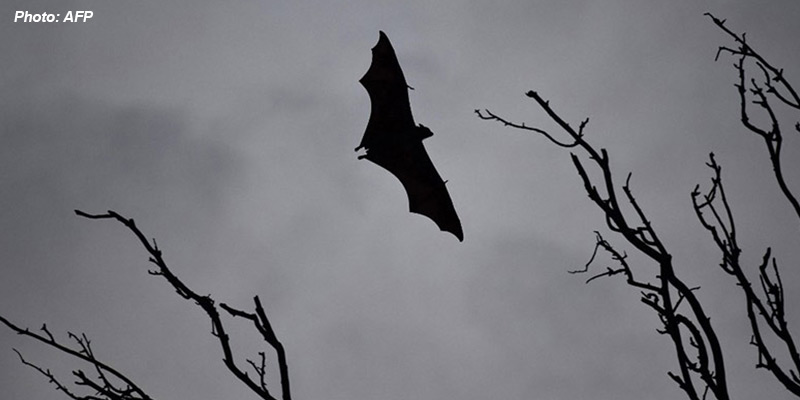
• Nipah virus is a type of Henipavirus naturally held in fruit bats. The virus can cause illness in pigs and humans, and can be spread to humans from animals, infected food and other people with the virus.
• Fruit bats of the family Pteropodidae – particularly species belonging to the Pteropus genus – are the natural hosts for Nipah virus.
• Similar to SARS-CoV-2, NiV is an RNA virus that is transmitted by respiratory droplets. Because of the global pandemic of COVID-19, there is heightened concern regarding respiratory pathogens.
• In infected people, it causes a range of illnesses from asymptomatic (sub-clinical) infection to acute respiratory illness and fatal encephalitis. The virus can also cause severe disease in animals such as pigs, resulting in significant economic losses for farmers.
• Infected people initially develop symptoms including fever, headaches, myalgia (muscle pain), vomiting, and sore throat. This can be followed by dizziness, drowsiness, altered consciousness, and neurological signs that indicate acute encephalitis. Some people can also experience atypical pneumonia and severe respiratory problems, including acute respiratory distress.
• Encephalitis and seizures occur in severe cases, progressing to coma within 24 to 48 hours. Most people who survive acute encephalitis make a full recovery, but long-term neurologic conditions have been reported in survivors.
• Nipah virus was first recognised in 1999 during an outbreak among pig farmers in Malaysia. It was also recognised in Bangladesh in 2001, and nearly annual outbreaks have occurred in that country since.
• There were outbreaks in India, especially in Kerala, in the last seven years, and has so far claimed nearly 20 lives.
• It has been listed as one of the viruses most likely to cause the next pandemic by the World Health Organisation.
• Currently, there are no vaccines licensed for the prevention of Nipah disease. At least eight experimental preventive candidate vaccines against henipaviruses have been evaluated in pre-clinical animal models.