
- India
- Feb 07
India remains world’s largest recipient of remittances, says Economic Survey
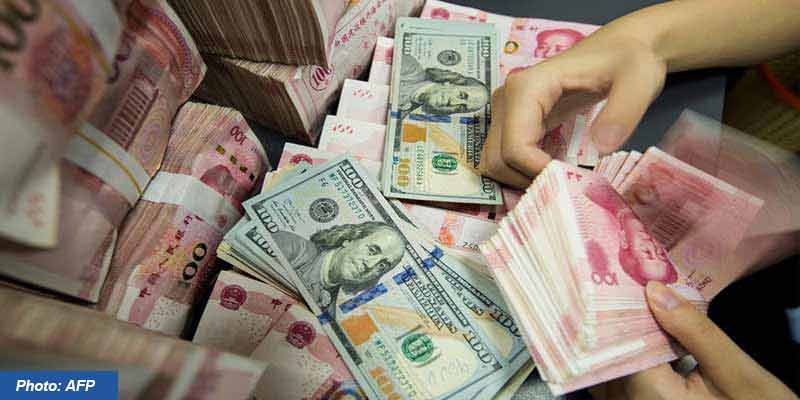
• Economic Survey 2025-26 notes that India remained the world’s largest recipient of remittances, with inflows reaching $135.4 billion in FY25, supporting stability in the external account.
• The RBI’s sixth round of the Survey on Remittances for FY24 revealed notable shifts in remittance composition, geography and mode of remittance.
• While Gulf Cooperation Council (GCC) countries have historically dominated India’s inward remittances, advanced economies now contribute more, indicating a shift towards skilled and professional workers.
• The US is the top contributor with 27.7 per cent, followed by the UAE (19.2 per cent), the UK (10.8 per cent), and Singapore (6.6 per cent).
What are remittances?
• The money workers send home to their families from abroad has become a critical part of many economies around the world. These money transfers are called remittances. They have been growing rapidly in the past few years and now represent the largest source of foreign income for many developing economies.
• Remittances have become an important consumption smoothing mechanism for the recipient households and, as such, they form an increasingly important (private) element of global social protection systems.
• Remittances are a vital source of household income for low and middle-income countries. They alleviate poverty, improve nutritional outcomes, and are associated with increased birth weight and higher school enrollment rates for children in disadvantaged households.
• Studies show that remittances help recipient households to build resilience, for example through financing better housing and to cope with the losses in the aftermath of disasters.
• Remittances also can play an important role in improving a country’s ability to repay debt, due to their large size relative to other sources of foreign exchange, counter-cyclical nature, and indirect contribution to public finances.
• In India, remittances are the second largest major source of external financing after service export, which contribute to narrowing the Current Account Deficit (CAD) and has always been a stable constituent of the balance of payments.
• The CAD represents the difference between the total amount of money sent abroad and money received from overseas across the economy.