
- India
- Mar 03
- Sreesha V.M
Assam exports GI-tagged ginger from Karbi Anglong to London
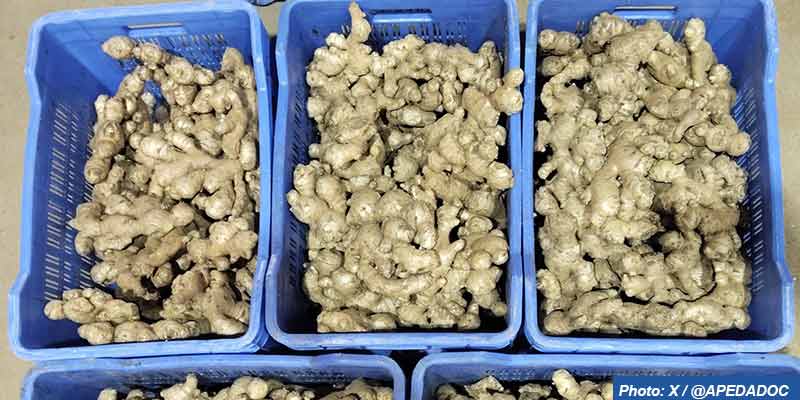
• The first consignment of Assam’s GI-tagged ginger from Karbi Anglong district to London was flagged off by Agriculture Minister Atul Bora on March 2.
• The Agricultural and Processed Food Products Export Development Authority (APEDA), in collaboration with the government of Assam, facilitated the first-ever export of GI-tagged Karbi Anglong Ginger from Assam to London.
• The 1.2 MT shipment marks a significant milestone in promoting premium agricultural produce from Karbi Anglong to global markets.
• The consignment was ceremonially flagged off in the presence of senior state officials and APEDA representatives, reflecting strong institutional support for farmers and exporters from the North Eastern Region.
Karbi Anglong Ginger
• Ginger is an herbaceous perennial, grown as an annual for its spicy underground rhizomes or stems.
• India is the largest producer and exporter of ginger.
• Karbi Anglong is one of the ginger producing belts of Assam.
• The agro-climatic conditions of the area, characterised by warm and humid summers with abundant rainfall, and cool winters, is favorable for ginger cultivation.
• Mostly two varieties of ginger — Nadia and Aizol — are cultivated in the district.
Benefits of GI tag
• A Geographical Indication (GI) tag is used for an agricultural, natural, or a manufactured product (handicraft and industrial goods) originating from a definite geographical territory. Typically, such a name conveys an assurance of quality and distinctiveness, which is essentially attributable to the place of its origin.
• The GI tag helps growers get the premium price of the product as no other producer can misuse the name to market similar goods.
• The other benefits of GI registration include legal protection to that item, prevention against unauthorised use by others, and promoting exports.
• There is a proper process of registration of GI products which includes filing of application, preliminary scrutiny and examination, show cause notice, publication in the geographical indications journal, opposition to registration, and registration.
• It is a legal right under which the GI holder can prohibit others from using the same name.
What is APEDA?
• The Agricultural and Processed Food Products Export Development Authority (APEDA) was established by the government under the Agricultural and Processed Food Products Export Development Authority Act passed by Parliament in December 1985. The Act came into effect on February 13, 1986.
• APEDA, which replaced the Processed Food Export Promotion Council (PFEPC), has its headquarters in New Delhi.
• It has 16 regional offices across India.
APEDA has been entrusted with the responsibility of export promotion and development of following scheduled products:
i) Fruits, Vegetables and their Products
ii) Meat and Meat Products
iii) Poultry and Poultry Products
iv) Dairy Products
v) Confectionery, Biscuits and Bakery Products
vi) Honey, Jaggery and Sugar Products
vii) Cocoa and its products, chocolates of all kinds
viii) Alcoholic and Non-Alcoholic Beverages
ix) Cereal and Cereal Products
x) Groundnuts, Peanuts and Walnuts
xi) Pickles, Papads and Chutneys
xii) Guar Gum
xiii) Floriculture and Floriculture Products
xiv) Herbal and Medicinal Plants
xv) De-oiled rice bran
xvi) Green pepper in brine
xvii) Cashew Nuts and its Products.
• In addition to this, APEDA has been entrusted with the responsibility to monitor the import of sugar as well.
• APEDA also functions as the Secretariat to the National Accreditation Board (NAB) for the implementation of accreditation of the Certification Bodies under National Programme for Organic Production (NPOP) for organic exports.
(The author is a trainer for Civil Services aspirants.)