
- India
- Mar 19
- Sreesha V.M
Cabinet approves Rs 2,585 crore Small Hydro Power Development Scheme
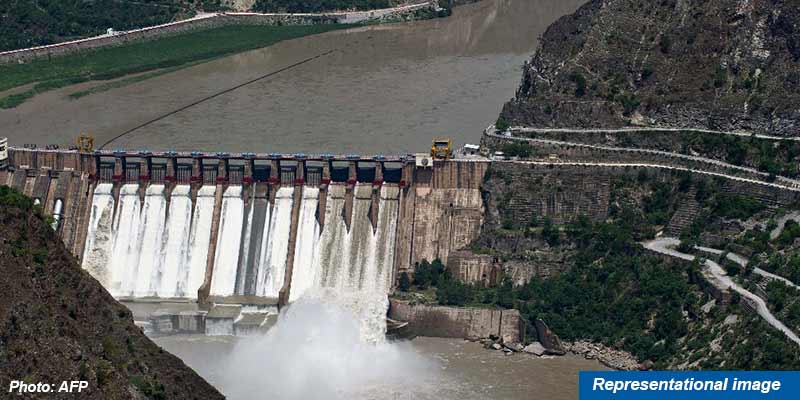
• The Union Cabinet approved the ‘Small Hydro Power (SHP) Development Scheme’ with an outlay of Rs 2584.60 crore to boost the development of 1,500 MW of renewable capacity.
• The scheme will support small hydro projects (between 1-25 MW capacity) to come up in different states and will especially benefit hilly and northeastern states with high potential for such projects.
• The projects will be implemented for five years till 2030-31.
• There is potential for small hydro projects at 7,133 sites with a total capacity of 21,000 MW in the country.
• At present, 5,100 MW of small hydro power projects are operational at 1,196 sites in the country.
• SHP projects are environmentally sustainable, as they avoid large-scale land acquisition, deforestation, and displacement of communities.
Implementation of the scheme
• In northeast states and in districts with international border, central financial assistance to the tune of Rs 3.6 crore per MW or 30 per cent of the project cost, whichever is lower with an upper limit of Rs 30 crore per project will be available.
• In other states Rs 2.4 crore per MW or 20 per cent of project cost, whichever is lower with a cap of Rs 20 crore per project would be available.
• This will help in tapping the small hydro potential in remote and difficult to reach locations.
• It is expected to bring in Rs 15,000 crore of investment in the small hydro sector giving a boost to the clean energy initiative, investment in remote and rural areas and creating significant employment opportunities.
• The investment will also leverage 100 per cent of the plant and machinery from indigenous sources.
• The scheme will support 51 lakh person-days of employment during the project construction and will also enable employment in maintenance and operation of these SHPs.
• SHP projects being decentralised in nature, the requirement of a long transmission line is minimal, which also reduces the transmission losses.
• It will also promote socio-economic development of remote areas by boosting local investment, apart from creating long-term employment with project lifespans typically ranging from 40 to over 60 years.
(The author is a trainer for Civil Services aspirants.)