
- India
- Mar 26
What is IVFRT scheme of MHA?
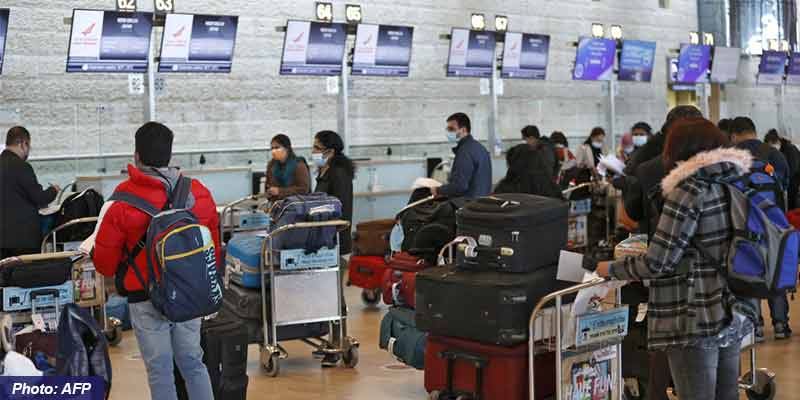
• The Union Cabinet approved the continuation of the Immigration, Visa, Foreigners Registration & Tracking (IVFRT) scheme for a period of five years from April 1, 2026 to March 31, 2031 with budget outlay of Rs 1,800 crore.
What is IVFRT scheme?
• The Ministry of Home Affairs is implementing the IVFRT project.
• It seeks to interlink and optimise functions related to immigration, visa issuance and registration of foreigners in India.
• The core objective of the IVFRT is to modernise and upgrade immigration and visa services within a secure and integrated service delivery framework.
• It aims to facilitate legitimate travellers while strengthening national security.
• This project was first approved by the Cabinet Committee on Economic Affairs in May 2010 with a budget outlay of Rs 1,011 crore and with project duration till September 2014.
• The budget outlay for the project was revised to Rs 638.90 crore in 2015 along with extension of the implementation timeline up to March 31, 2017, and further up to March 31, 2021 without any additional financial implications.
• The project was further extended for a period of five years from April 1, 2021 to March 31, 2026 with a budget outlay of Rs 1,365 crore.
Outcomes of IVFRT project
• The IVFRT project has led to significant improvements in service delivery and operational efficiency across immigration and visa functions.
• The system has enabled a 100 per cent contactless and faceless visa process with online appointment scheduling and payment facilities, leading to faster visa processing times with 91.24 per cent of e-visa applications having been cleared within 72 hours during the past five years.
• Average passenger clearance time at Immigration Posts has also been reduced to 2.5-3 minutes including biometrics, from the conventional 5-6 minutes.
• Fast Track Immigration-Trusted Traveller Programme (FTI-TTP) through automated e-gates implemented at 13 major airports, reduces the time taken for immigration clearance from 2.5-3 minutes to 30 seconds.
• Huge economic benefits on account of ease of doing business, convenience and security assurance have been made possible by IVFRT system.
• Tourism, business, trade & commerce, service industry especially aviation and hospitality have been extensively benefitted by IVFRT system.
Scope of extension of the scheme
• The scheme seeks to expand and strengthen the scope and capacity of the existing IVFRT scheme not only by reimagining and revamping the existing structure, but also introducing the state-of-the-art technological solutions to enhance user experience without compromising the security architecture.
• The modernisation of the IVFRT project is essential to meet the evolving demands of global travel and address emerging national security challenges.
• After the recent enactment of the Immigration and Foreigners Act, 2025 and its subsequent Rules and Order, it has become imperative to strengthen and modernise the IVFRT system to effectively meet emerging requirements and future challenges in the domain of immigration control and foreigners management including illegal migration.
• The continuation of the project is not just a technical upgrade, but a strategic transformation aligned with the vision of the government of India to promote international mobility through a world-class immigration and visa issuance system.
The next phase would focus on three broad areas:
i) Emerging technology innovations
ii) Transformation of core infrastructure
iii) Technology and service optimisation.
• The scheme will modernise the immigration and visa ecosystem through adoption of emerging technologies, including mobile-based services and self-service kiosks for seamless and secure passenger movement.
• It will upgrade and expand core infrastructure across Immigration Posts, Foreigners Regional Registration Officers (FRROs), and Data Centres to build a resilient and scalable system nationwide.