
- India
- Apr 18
- Sreesha V.M
Women’s reservation Bill fails to get 2/3rd majority in Lok Sabha
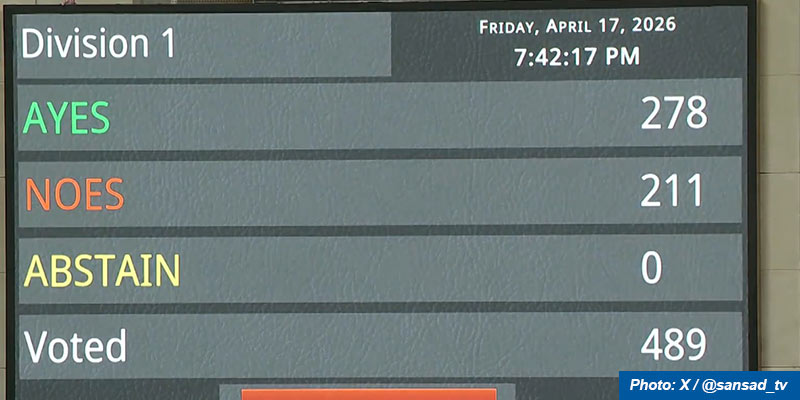
• The Constitution (131st Amendment) Bill to implement 33 per cent reservation for women in legislatures in 2029 and increase the number of Lok Sabha seats was defeated in the Lower House on April 17.
• While 278 members voted in support of the Bill, 211 MPs voted against it.
• Out of 489 members who voted, the Bill required 326 votes for a two-third majority.
• Lok Sabha seats were to be increased to 850 from the current 543 to operationalise the women’s reservation law before the 2029 parliamentary elections, following a delimitation exercise based on the 2011 Census.
• Seats were also to be increased in state and Union Territory Assemblies to accommodate 33 per cent reservation for women.
• This was for the first time a Bill under the Modi government was defeated in Parliament.
• The Opposition parties firmly opposed the delimitation linked to the implementation of women’s reservation, while the government pushed hard with its new formula of a 50 per cent increase in seats across all states.
• PM Narendra Modi gave a guarantee that the rights of states would not be taken away, but that failed to win his side any significant numbers.
• After the legislation was defeated during the voting, Lok Sabha Speaker Om Birla adjourned the House for the day.
• When the Constitution Amendment Bill was defeated, Parliamentary Affairs Minister Kiren Rijiju conveyed to the Speaker that the government has no intention to move ahead with the two other Bills — the Delimitation Bill and the Union Territories Laws (Amendment) Bill — as both the legislations were interlinked with the Constitution Amendment Bill.
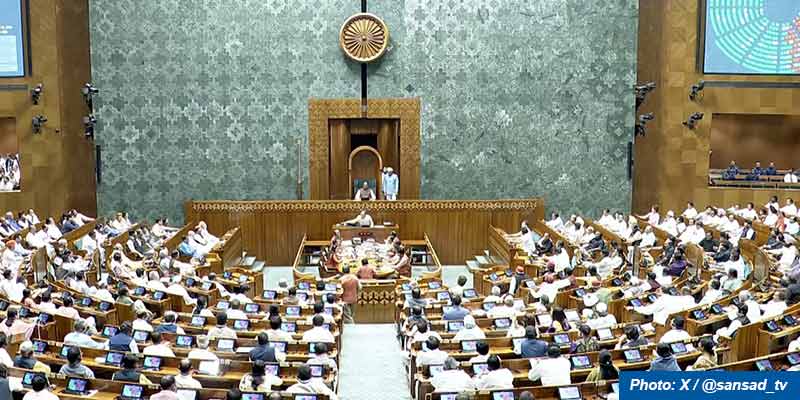
Why the government brought this Bill?
• In September 2023, the Parliament passed the ‘Nari Shakti Vandan Adhiniyam’, commonly known as the Women’s Reservation Act.
• The Act provided for reservation of one-third of seats for women in the House of People (Lok Sabha) and in the State Legislative Assemblies including Legislative Assembly of NCT of Delhi.
• Under the 2023 law, the reservation would not become enforceable before 2034, as it was tied to the completion of the delimitation exercise post 2027 Census.
• The Constitution (131st Amendment) Bill was brought in Lok Sabha by the government so that the women’s reservation could be implemented in 2029.
(The author is a trainer for Civil Services aspirants.)