
- India
- May 13
PCOS, which affects millions of women, renamed as PMOS
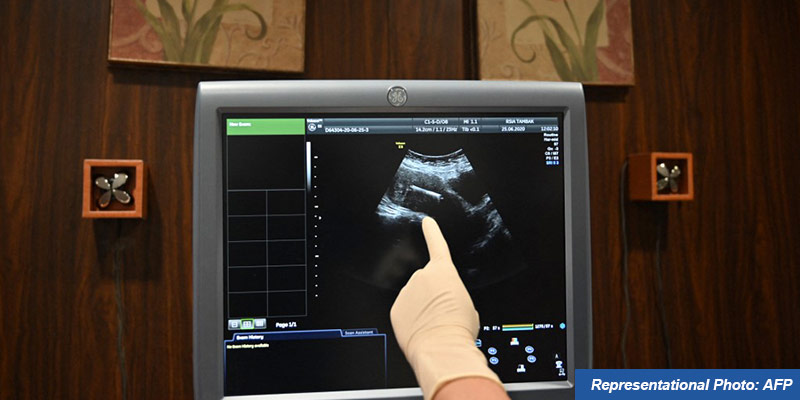
• Polycystic Ovary Syndrome (PCOS), which affects an estimated 10-13 per cent of reproductive-aged women, has been renamed as Polyendocrine Metabolic Ovarian Syndrome (PMOS).
• Experts say the name of the hormonal disorder was renamed to improve diagnosis and care.
Why was PCOS renamed as PMOS?
• Polycystic Ovary Syndrome (PCOS) affects more than 170 million women globally.
• PCOS is a leading cause of irregular menstrual periods and one of the most common causes of infertility.
• According to a report in The Lancet, its name is inaccurate and misleading, obscuring the condition’s multisystem endocrine and metabolic features, reinforcing stigma, delaying diagnosis, and hindering effective clinical care, research, and policy alignment.
• PCOS occurs when inappropriate hormonal signaling leads to higher than normal androgen levels and other hormonal imbalances.
• As a result, women with PCOS may experience irregular or infrequent menstrual periods, pain — including pain with heavy menstrual bleeding, abnormal ovulation, changes in hair (either excessive facial or body hair or female-pattern baldness), oilier skin, acne and/or cysts in the ovaries.
• The term polycystic ovary implies the presence of pathological ovarian cysts, which are not a feature of the condition.
• This misnomer contributes to misunderstandings among patients, clinicians, policy makers, and the public.
• PCOS encompasses diverse endocrine, metabolic, reproductive, psychological, and dermatological features.
• It is characterised by fluctuations in hormones, with impacts on weight, metabolic and mental health, skin, and the reproductive system.
• The current name reflects only one organ and fails to capture the disorder’s multisystem nature.
• There is no cure for PCOS, but treatments can improve quality of life, assist with fertility, reduce the risk of endometrial hyperplasia and/or endometrial cancer and help prevent long-term cardiovascular events.
• Confusion arising from the current name can delay diagnosis and hinder effective communication between patients and health professionals, contributing to patient dissatisfaction with care.
• The reproductive focus of the name can reinforce stigma, particularly in sociocultural contexts where fertility carries high value. Many individuals report distress associated with the name itself.
• The misnomer complicates epidemiological classification, research comparability, and health system coding.
• Helena Teede, Director of the Monash Centre for Health Research & Implementation and an endocrinologist at Monash Health, led the name change process after spending decades researching the condition and seeing the patient impacts first hand.
• Through an unprecedented, rigorous global consensus process engaging patients, multidisciplinary health professionals, and organisations across world regions, a new name — Polyendocrine Metabolic Ovarian Syndrome — was agreed, omitting the misleading reference to ovarian cysts and accurately reflecting the diverse features of the condition.
• A more accurate name is expected to improve scientific coherence, research funding, and policy alignment.