
- India
- May 26
- Sreesha V.M
ICMR transfers 41 public health technologies for development
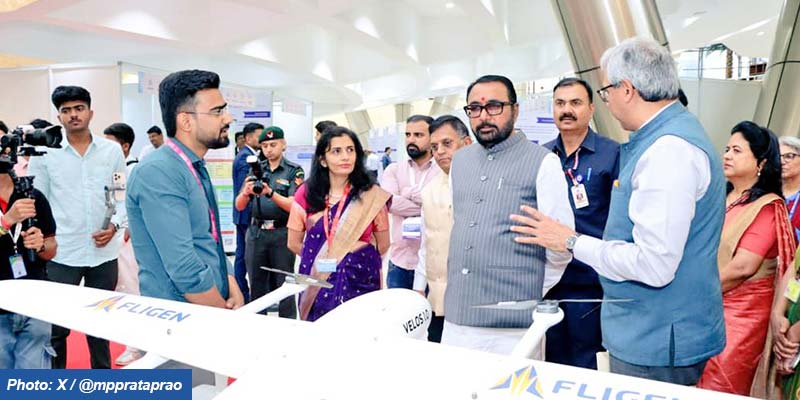
• The Indian Council of Medical Research (ICMR), under the Department of Health Research, Ministry of Health and Family Welfare, organised ‘Medical Innovations Patent Mitra: Innovators-to-Industry (I2I) Connect’.
• The event marked the establishment of one of the country’s first structured platforms dedicated to biomedical innovation showcasing and technology transfer under the ICMR Medical Innovation Patent Mitra initiative.
• The initiative aims to translate indigenous biomedical research into accessible, real-world healthcare solutions through strong industry partnerships.
• Several institutes under the ICMR and innovators transferred 41 public health technologies to industry partners for further development, manufacturing, and commercialisation.
• The technologies included advanced diagnostics, vaccines, medical devices and biomedical solutions addressing critical public health priorities.
• Among the technologies transferred were glycoconjugate and recombinant vaccines for typhoid and paratyphoid, as well as diagnostic technologies for diseases such as Japanese encephalitis, tuberculosis, and mpox.
Indian Council of Medical Research (ICMR)
• The Indian Council of Medical Research (ICMR), headquartered in New Delhi, is India’s apex body for biomedical research.
• Established as one of the world’s oldest medical research organisations (1911), ICMR functions under the Department of Health Research (DHR), Ministry of Health and Family Welfare.
• It is one of the oldest medical research bodies in the world.
• ICMR’s research agenda aligns with national health priorities, covering communicable diseases, maternal and child health, nutrition and non-communicable diseases such as cancer, cardiovascular diseases, diabetes etc.
• Recent initiatives are focused on the MedTech development, innovation and developing implementation models for the national programmes.
• ICMR plays a pivotal role in advancing biomedical science and public-health research in India.
• Through sustained capacity building, research funding, and national collaborations, ICMR continues to strengthen the country’s scientific base in health.
• On the global front, ICMR has established partnerships across continents through Memoranda of Understanding (MoUs) with leading research organisations and international agencies.
• These collaborations focus on key health challenges such as cancer, diabetes, infectious diseases, antimicrobial resistance (AMR), and vaccine development, enabling joint projects, knowledge exchange, and scientific events including conferences, workshops, and training programmes.
• ICMR conducts research in the domains of communicable diseases, non-communicable diseases and reproductive, child health and nutrition epidemiology through its 28 national institutes and regional research centres.
• These institutes are guided by the respective scientific divisions at ICMR headquarters through intramural research programmes.
(The author is a trainer for Civil Services aspirants.)