
- India
- Jun 12
3 Indian seafarers killed in US strikes near coast of Oman
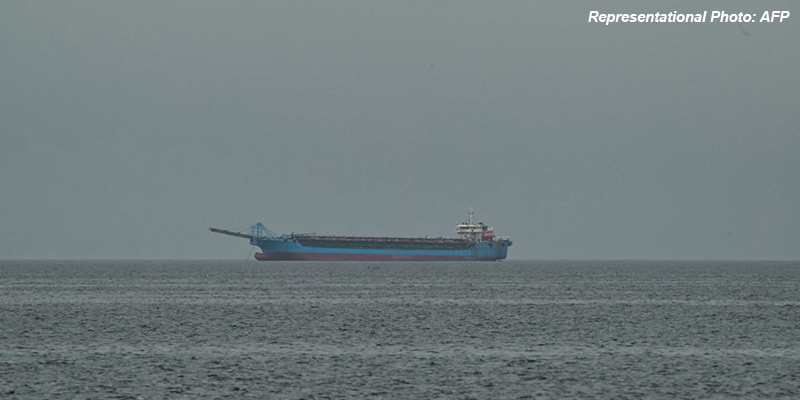
• Three Indian seafarers were killed in an attack on an oil tanker near the Strait of Hormuz on June 10.
• The latest strike, which the United States said had been carried out as part of its blockade enforcement operations, involved the Palau-flagged tanker MT Settebello near the coast of Oman.
• Three merchant ships with Indian crew members came under attack from the American military off the coast of Oman in the last four days.
• A Palau-flagged oil tanker, Marivex, carrying 24 Indian seafarers, was disabled by US forces on June 8. All crew members were safely rescued.
• On June 10, the US struck another Palau-flagged tanker, Settebello, killing three out of the 24 Indian sailors on board.
• Another vessel, Jalveer, a Guinea-Bissau-flagged tanker with 20 Indians, was attacked on June 11.
• The US Central Command acknowledged the strike, saying the vessel violated the ongoing US blockade of Iranian ports by attempting to transport oil from Iran.
• Following the attack on Settebello, the Ministry of External Affairs (MEA) summoned US Charge d'Affaires Jason Meeks and he was handed a demarche or diplomatic note of protest.
Strait of Hormuz remains highly volatile
• The ongoing instability in the Middle East creates a rapidly evolving situation for global shipping.
• According to the International Maritime Organisation (IMO), the latest incident brings the number of confirmed seafarer fatalities to 14 since the crisis began on February 28.
• The UN maritime agency has verified 46 attacks on international shipping in and around the Strait of Hormuz during that period.
• Beyond the immediate loss of life, the IMO warns that thousands of civilian seafarers remain exposed to mounting risks.
• Across the wider Gulf region, roughly 20,000 seafarers are estimated to remain aboard commercial and offshore vessels.
• IMO said many are operating under sustained security threats and severe psychological pressure, while some crews remain detained by parties to the conflict.
• More than 100 days after hostilities began, disruptions in the strait continue to reverberate with economic and humanitarian consequences far beyond the Middle East — affecting commercial shipping routes, aid corridors, farms, food markets, fuel prices and households around the world.