
- India
- Jun 18
What is Shigella infection?
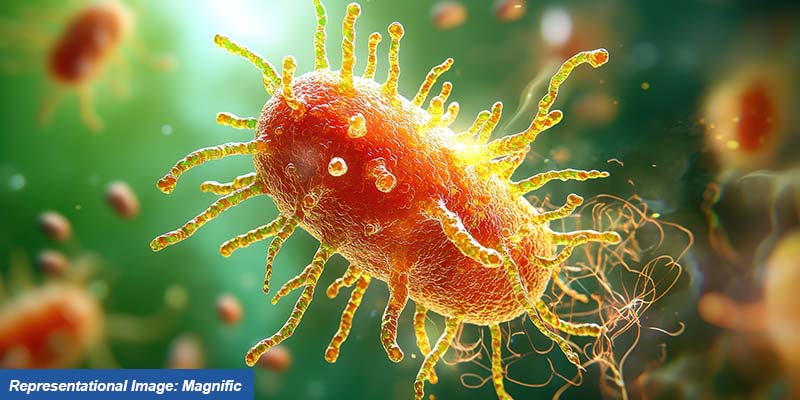
• Kerala reported one more death due to Shigella infection, taking the total number of fatalities linked to the disease in the state to six.
• Kerala’s Health Minister K. Muraleedharan said that since January this year, 146 cases of Shigella were reported in the state and of those 70 were in June.
• The highest number of cases of the bacterial infection from January to June were reported from Kozhikode, followed by Malappuram.
What is Shigella?
• Shigella is a group of bacteria that cause shigellosis (also known as bacillary dysentery) which is an infection of the intestines.
There are 4 species of Shigella bacteria:
i) Shigella sonnei
ii) Shigella flexneri
iii) Shigella boydii
iv) Shigella dysenteriae.
What are the symptoms?
• The most common symptoms are diarrhoea (which can be bloody), stomach cramps, fever, nausea and vomiting.
• Some people also experience headaches and loss of appetite.
• Symptoms typically begin one to three days after exposure, though it can take up to a week to feel unwell.
• Most people recover within four to five days, but illness can last up to two weeks.
• In some cases, particularly with certain species of Shigella, symptoms can be more severe and may require hospital treatment.
How Shigella spreads?
• Shigella is spread from person to person, often by eating food that has been prepared by an infected person or by touching surfaces contaminated by infected faeces
Transmission can happen in the following ways:
i) Through poor hand hygiene, particularly after using the toilet.
ii) By eating or drinking something that has been contaminated.
iii) By touching a contaminated surface and then touching your mouth.
• Children younger than five years old are the most likely to get shigellosis, but people of all ages can get the disease.