
- India
- Jun 20
India to assume vice-presidency of FATF for first time
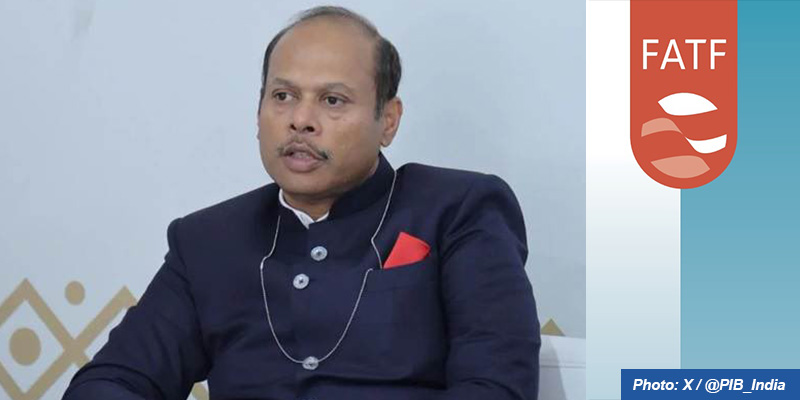
• Union Culture Secretary Vivek Aggarwal was appointed the vice president of the Financial Action Task Force (FATF).
• This is the first time that India will hold the vice-presidency of the FATF.
• Aggarwal is a 1994-batch officer of the Indian Administrative Service (Madhya Pradesh cadre) and presently Secretary to the government of India, Ministry of Culture.
• He has served in the past as the head of the Indian delegation to FATF and as the director of the Financial Intelligence Unit (FIU).
• He will succeed Giles Thomson of the UK, who has been holding the post since July 1, 2025.
• The vice-president of the FATF is elected by the FATF plenary from among its members and assists the president in steering the organisation’s work.
• The appointment places an Indian official at the apex of the global standard-setting body for anti-money laundering and counter-terrorist financing.
What is the FATF?
• The FATF is an inter-governmental body established in 1989 by the ministers of its member jurisdictions.
• The objectives of the FATF are to set standards and promote effective implementation of legal, regulatory and operational measures for combating money laundering, terrorist financing and other related threats to the integrity of the international financial system.
• The FATF is a policymaking body that works to generate the necessary political will to bring about national legislative and regulatory reforms in these areas.
• There are currently 40 members of the FATF — 38 jurisdictions and two regional organisations (the Gulf Cooperation Council and the European Commission).
• These 40 members are at the core of global efforts to combat money laundering and terrorist financing.
• There are also 31 international and regional organisations which are Associate Members or Observers of the FATF and participate in its work.
• FATF suspended membership of the Russia on February 24, 2023
• India is a member of the FATF consultations and its Asia Pacific Group.
Functions of FATF:
i) FATF continuously monitors how criminals and terrorists raise, use and move funds. FATF regularly publishes reports that raise awareness about the latest money laundering, terrorist financing and proliferation financing techniques so that countries and private sector can take the necessary steps to mitigate these risks.
ii) The FATF Recommendations, ensure a co-ordinated global response to prevent organised crime, corruption and terrorism. They help authorities go after the money of criminals dealing in illegal drugs, human trafficking and other crimes.
iii) The FATF monitors countries to ensure they implement the FATF Standards fully and effectively. In total, more than 200 countries and jurisdictions have committed to implement the FATF’s standards.
iv) The FATF holds countries to account that do not comply with the FATF standards. If a country repeatedly fails to implement FATF standards then it can be named a Jurisdiction under Increased Monitoring or a High Risk Jurisdiction. These are often externally referred to as “grey list and black list” respectively.