
- India
- Aug 01
- Sreesha V.M
Cabinet approves extension of PM-KISAN for 5 years
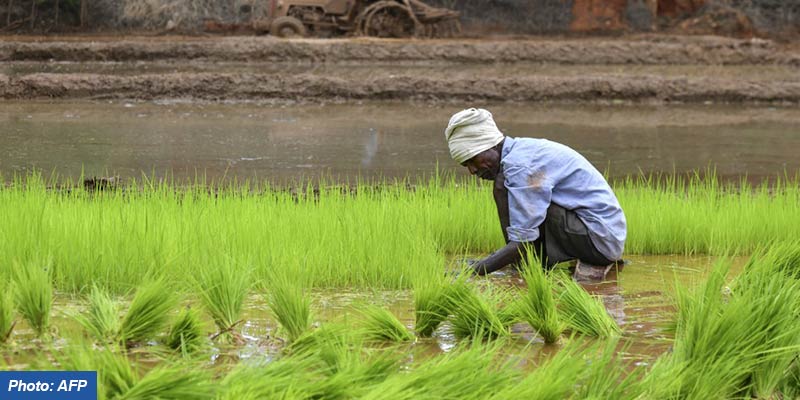
• The Union Cabinet, chaired by Prime Minister Narendra Modi, approved continuation of the Pradhan Mantri Kisan Samman Nidhi (PM-KISAN) Scheme from 2026-27 to 2030-31.
• A total financial outlay of Rs.3.15 lakh crore has been approved for the scheme.
What is PM-KISAN scheme?
• Under the PM-KISAN scheme, a financial benefit of Rs 6,000 per year is provided to farmers, payable in three equal instalments of Rs 2,000 each. The fund is transferred directly to the bank accounts of the beneficiaries.
• The scheme was formally launched on 24th February, 2019, but was effective from December 1, 2018.
• PM-KISAN is one of the world’s largest Direct Benefit Transfer (DBT) schemes.
• The objective of the scheme is to augment the income of families of all land holding farmers subject to certain exclusion criteria relating to higher income status.
• The scheme aims to supplement the financial needs of farmers to enable them to take care of expenses related to agriculture and allied activities as well as domestic needs. This would also protect them from falling in the clutches of moneylenders for meeting expenses and ensure their continuance in farming activities.
• The scheme was originally started for Small & Marginal Farmers (SMFs) only, possessing a combined holding of up to two hectares of land. In June 2019, the scheme was extended to all farmers, irrespective of the size of their land holdings.
• For over 85 per cent of Indian farmers who own less than two hectares of land, PM-KISAN has served as an essential support system.
• Farmers’ Welfare Division is entrusted with the implementation, monitoring and evaluation of the scheme.
• The scheme is being implemented online through the Direct Benefit Transfer (DBT) mode for which a portal — www.pmkisan.gov.in — has been created.
• The identification of beneficiaries for the scheme is the sole responsibility of the state/UT governments, which upload their necessary details on the PM-KISAN portal for enabling transfer of benefits to them.
• The number of eligible land holding farmer families has been estimated on the basis of projections of the Agricultural Census 2015-16 data. The total number of eligible beneficiaries have been estimated to be 14.5 crore.
• Those excluded from the scheme are institutional landholders, farmer families holding constitutional posts, serving or retired officers and employees of state / central government as well as PSUs and government autonomous bodies. Professionals such as doctors, engineers and lawyers as well as retired pensioners with a monthly pension of over Rs 10,000 and those who paid income tax in the last assessment year are also kept out of the ambit of the scheme.
Impact of the scheme
• PM-KISAN is one of the largest central sector schemes that is being implemented to supplement financial needs of land holding farmers of the country to enable them to take care of expenses related to agriculture and allied activities as well as domestic needs.
• PM-KISAN is a major shift in the nature of direct support by the government to the farmers of the country. A farmer-centric digital infrastructure has ensured the benefits of the scheme reach all the farmers across the country without any involvement of the middlemen.
• The funds disbursed under the initiative have acted as a catalyst in rural economic growth, aided in alleviating the credit constraints for farmers, and increased investments in agricultural inputs.
• A saturation drive launched in November 2023 under the Viksit Bharat Sankalp Yatra added over one crore eligible farmers to the scheme. As a result, the number of beneficiaries who received the 23rd instalment increased to 9.44 crore.
• More than Rs 4.47 lakh crore has been transferred directly into farmers’ bank accounts through 23 instalments under the scheme.
• Women farmers have received more than Rs 1.06 lakh crore under PM-KISAN, and nearly one out of every four beneficiaries is a woman farmer.
• The scheme has enhanced farmers’ risk-taking capacity, leading them to undertake riskier but comparatively productive investments.
• The assistance provided under PM-KISAN has enabled farmers to make timely investments in seeds, fertilizers, irrigation, agricultural machinery and other agricultural requirements.
• This has enhanced farmers’ productive capacity, reduced their dependence on informal credit and strengthened the financial stability of rural households.
• According to a study conducted by International Food and Policy Research Institute (IFPRI), the funds received by recipients under PM-KISAN are not only helping them with their agricultural needs, but it is also catering to their other expenses such as education, medical, marriage, etc.
(The author is a trainer for Civil Services aspirants.)