
- India
- Aug 10
- Sreesha V.M
India crosses 300 GW of non-fossil power capacity
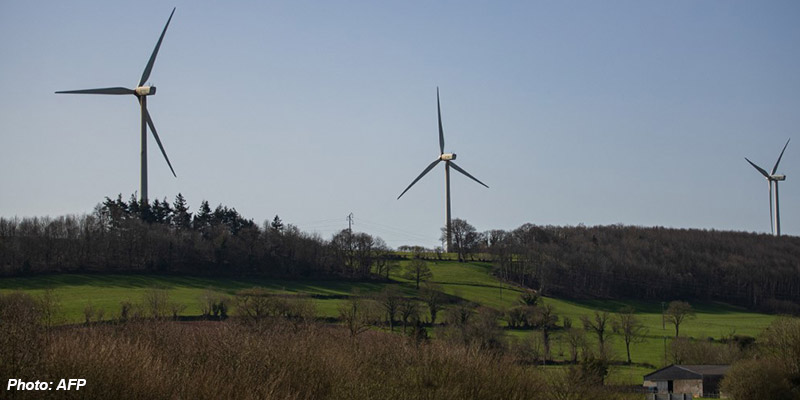
• India has crossed 300 GW of non-fossil fuel-based installed electricity generation capacity.
• It is over 60 per cent of the 500 GW capacity targeted to be achieved by 2030.
Breakdown of non-fossil fuel capacity:
i) Solar Power - 164.59 GW
ii) Wind Power - 58.14 GW
iii) Hydro Power (Large & Small) - 57.24 GW
iv) Bio-power - 11.75 GW
v) Nuclear Power - 8.78 GW.
What are fossil fuels?
• Fossil energy sources, including oil, coal and natural gas, are non-renewable resources that formed when pre-historic plants and animals died and were gradually buried by layers of rock.
• Over millions of years, different types of fossil fuels formed, depending on what combination of organic matter was present, how long it was buried and what temperature and pressure conditions existed as time passed.
• Today, fossil fuel industries drill or mine for these energy sources, burn them to produce electricity, or refine them for use as fuel for heating or transportation.
• Fossil fuels are carbon-based and their combustion results in the release of carbon into the Earth’s atmosphere.
• Over the past 20 years, nearly three-fourths of human-caused emissions came from the burning of fossil fuels.
• When fossil fuels are burned, they release nitrogen oxides into the atmosphere, which contribute to the formation of smog and acid rain. The most common nitrogen-related compounds emitted into the air by human activities are collectively referred to as nitrogen oxides.
• Energy from fossil fuels has helped to deliver jobs, revenue, and economic growth around the world. Consequently, most governments view coal, oil, and gas as sources of geopolitical power, energy security, and development.
Progress in renewable energy capacity
• To support this rapid expansion and ensure supply chain independence, India has transformed its domestic manufacturing capabilities.
• India ranks fourth globally in installed wind power capacity.
• India ranks third globally in renewable energy installed capacity, according to the Renewable Energy Statistics 2026.
• The clean energy transition is no longer just a climate commitment. It is central to shaping India's industrial competitiveness, energy independence, and economic resilience.
• The Ministry of New and Renewable Energy is also driving deep industrial decarbonisation, positioning India to become a global hub for the production, usage, and export of Green Hydrogen and its derivatives, through the implementation of the National Green Hydrogen Mission.
(The author is a trainer for Civil Services aspirants.)