
- India
- Aug 09
Quit India Movement
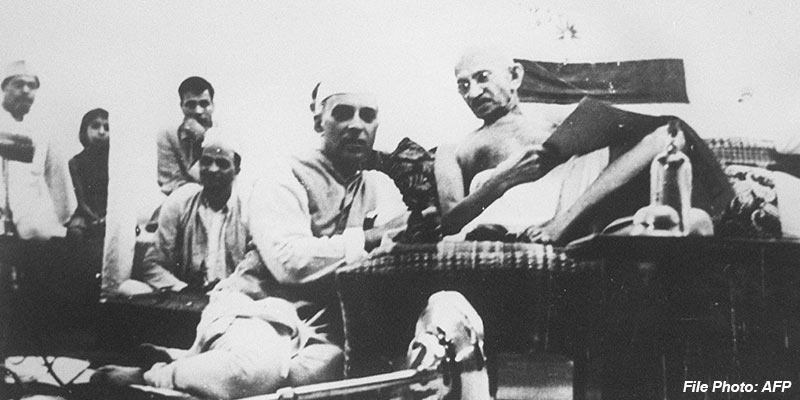
• Prime Minister Narendra Modi paid homage to those who participated in the Quit India movement.
• This year marks the 84th anniversary of the Quit India Movement, one of the defining milestones in the nation’s freedom struggle.
Important points on Quit India Movement:
• In the thick of World War II, Winston Churchill, then Prime Minister of the United Kingdom, under pressure to seek India’s support, sent Stafford Cripps to India with an offer. The ‘Cripps Mission’ of 1942 promised to grant India dominion status once the war was over, but with a provision that provinces could opt out of the post-war India, if they so wished.
• However, the proposal was rejected.
• The failure of the Cripps Mission and the effects of World War II created widespread discontentment in India.
• This led Gandhiji to launch a movement calling for complete withdrawal of the British from India.
• The Congress Working Committee, in its meeting in Wardha on July 14, 1942, passed the historic ‘Quit India’ resolution demanding the immediate transfer of power to Indians and quit India.
• On August 8, 1942 in Bombay, the All India Congress Committee endorsed the resolution at Gowalia Tank which called for a non-violent mass struggle on the widest possible scale throughout the country.
• It was on this occasion that Gandhiji delivered the famous ‘Do or Die’ speech.
• The very next day of the Gowalia Tank meet, major leaders were arrested under ‘Operation Thunderbolt’ launched by the British.
• The call for ‘Quit India’ almost brought the state machinery to a standstill in large parts of the country as people voluntarily threw themselves into the thick of the movement.
• People observed hartals, and demonstrations and processions were accompanied by national songs and slogans.
• The movement was truly a mass movement which brought into its ambit thousands of ordinary people, namely students, workers and peasants.
• The protest reached such a scale that Viceroy Linlithgow called it “by far the most serious rebellion since 1857”.