
- India
- Sep 02
- Sreesha V.M
Shivraj Singh Chouhan reviews progress of PM-DDKY
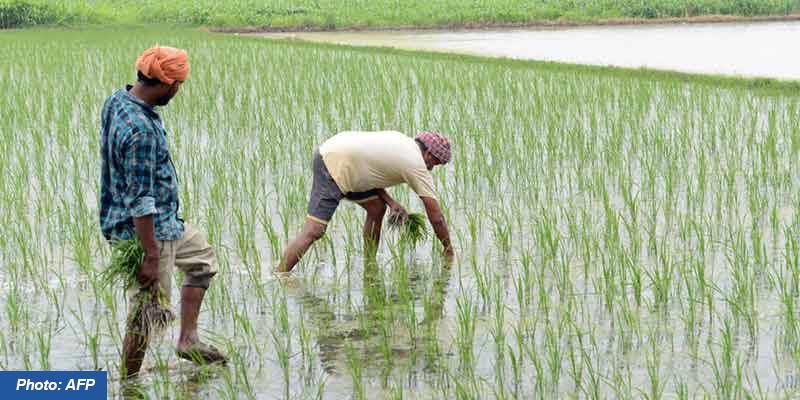
• Union Minister for Agriculture & Farmers Welfare and Rural Development Shivraj Singh Chouhan reviewed the progress of the Prime Minister Dhan-Dhaanya Krishi Yojana (PM-DDKY) on September 1.
• The review focused on accelerating implementation in the 100 identified districts, strengthening convergence among schemes, improving district-level performance and ensuring that interventions translate into measurable outcomes and tangible benefits for farmers.
• A total of 121 indicators, comprising 74 output indicators and 47 outcome indicators, have been identified across the 36 schemes for monitoring progress against annual targets.
• Through the PM-DDKY dashboard, district performance on output indicators is being ranked every month, and outcome indicators help in the assessment of progress against the baseline.
Highlights of PM Dhan Dhaanya Krishi Yojana:
• It was first announced on February 1, 2025 during the Union Budget by Finance Minister Nirmala Sitharaman and approved by the Union Cabinet on July 16.
• It was officially launched on October 11, 2025.
• PM-DDKY targets 100 underperforming districts where farming faces challenges like low crop yields, water scarcity, and limited access to resources.
• It has an annual budget of Rs 24,000 crore for six years (2025-26 to 2030-31).
• The scheme aims to support 1.7 crore farmers, particularly small and marginal farmers owning less than two hectares of land, who constitute 86 per cent of India’s farming population.
• PM-DDKY consolidates 36 existing agricultural schemes across 11 ministries, including PM-KISAN (cash transfers), Pradhan Mantri Fasal Bima Yojana (crop insurance), Pradhan Mantri Krishi Sinchayee Yojana (irrigation), and Rashtriya Krishi Vikas Yojana (RKVY), into a unified program to streamline efforts and maximise impact.
• Drawing inspiration from NITI Aayog’s Aspirational Districts Programme (ADP), which transformed 112 underdeveloped districts in health, education, and infrastructure, PM-DDKY focuses on regions with low crop yields.
• By providing irrigation, storage, loans, training, and modern technology support, PM-DDKY seeks to boost farmer incomes, and ensure food security.
• The scheme operates under the Ministry of Agriculture and Farmers’ Welfare, with oversight from a National Steering Committee, state-level nodal committees, and District Dhan Dhaanya Samitis led by district collectors.
• These bodies ensure tailored implementation based on local needs, monitored through a digital dashboard tracking 117 Key Performance Indicators (KPIs) like crop yields, loan disbursals, and storage usage.
The scheme focuses on six key objectives:
i) Increasing agricultural productivity.
ii) Promoting crop diversification and sustainable agricultural practices.
iii) Enhancing post-harvest storage capacity.
iv) Improving irrigation infrastructure.
v) Enabling greater access to short and long-term agricultural credit.
vi) Improving governance and service delivery.
• Capacity development is an important component of PM-DDKY implementation. During January to July 2026, a total of 690,530 farmers and 88,961 extension workers were trained in various skills.
• In addition, 2,20,683 farmers and extension workers were trained in natural farming during the period.
(The author is a trainer for Civil Services aspirants.)