
- India
- Sep 12
- Sreesha V.M
India administers 80 lakh HPV vaccine doses since February
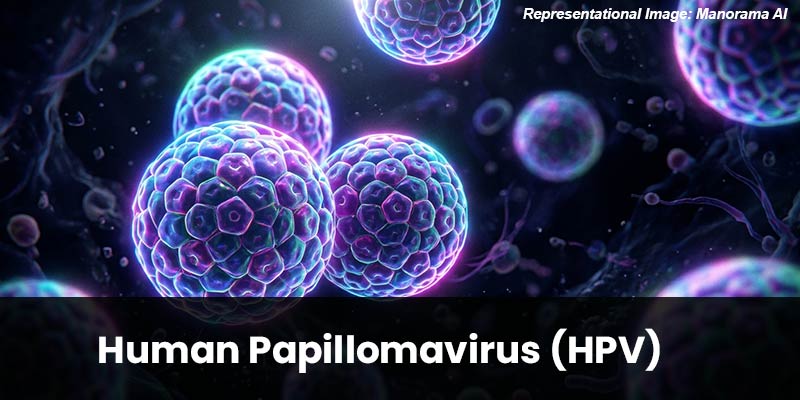
• India has crossed a significant milestone in its efforts to prevent cervical cancer, with more than 80 lakh doses of Human Papillomavirus (HPV) vaccine.
Key points of the vaccination campaign:
• The National HPV Vaccination Campaign was launched by Prime Minister Narendra Modi in February 2026.
• Under the campaign, 14-year-old girls are provided voluntary and free-of-cost single-dose HPV vaccination, with parental consent, at government health facilities.
• As per Registrar General of India (RGI) 2021 estimates, approximately 1.2 crore girls constitute the annual cohort of 14-year-olds who are expected to benefit from the initiative each year.
• States and Union Territories have made significant progress in expanding HPV vaccination coverage, with several states achieving complete coverage of their identified target cohorts.
• Bihar, Andhra Pradesh and Assam have crossed 90 per cent coverage, while Karnataka has achieved more than 85 per cent coverage.
• Chhattisgarh, Sikkim, Kerala, Telangana and Odisha have crossed 60 per cent coverage.
• Uttar Pradesh has recorded the highest number of vaccinations, with more than 22 lakh adolescent girls vaccinated under the campaign.
Some facts on HPV:
• Human papillomavirus (HPV) is a small, non-enveloped deoxyribonucleic acid (DNA) virus that infects skin or mucosal cells.
• HPV is a common sexually transmitted infection.
• It can affect the skin, genital area and throat.
• HPV usually goes away on its own without treatment. The immune system usually clears HPV from the body within a year or two with no lasting effects.
• Some HPV infections cause genital warts. Others can cause abnormal cells to develop, which go on to become cancer.
• At least 13 of more than 100 known HPV genotypes can cause cancer of the cervix and are associated with other anogenital cancers and cancers of the head and neck.
• The two most common ‘high-risk’ genotypes (HPV 16 and 18) cause approximately 70 per cent of all cervical cancers.
• Cancers from HPV can be prevented with vaccines.
• Currently, cervical cancer is the only HPV-caused cancer for which screening tests are available.
Key points on cervical cancer:
• Globally, cervical cancer is the fourth most common cancer in women.
• Cervical cancer develops in a woman’s cervix (the entrance to the uterus from the vagina).
• Cervical cancer starts in the cells of the cervix.
• The cervix connects the uterus to the vagina (birth canal).
• Cervical cancer usually develops slowly over time. Before cancer appears in the cervix, the cells of the cervix go through changes known as dysplasia, in which abnormal cells begin to appear in the cervical tissue. Over time, if not destroyed or removed, the abnormal cells may become cancer cells and start to grow and spread more deeply into the cervix and to surrounding areas.
• Almost all cervical cancer cases are linked to infection with high-risk human papillomaviruses (HPV).
• Effective primary (HPV vaccination) and secondary prevention approaches (screening for, and treating precancerous lesions) will prevent most cervical cancer cases.
• When diagnosed, cervical cancer is one of the most successfully treatable forms of cancer, as long as it is detected early and managed effectively.
• With a comprehensive approach to prevent, screen and treat, cervical cancer can be eliminated as a public health problem.
(The author is a trainer for Civil Services aspirants.)