
- India
- Sep 15
BRICS leaders advance commitment for traditional medicine
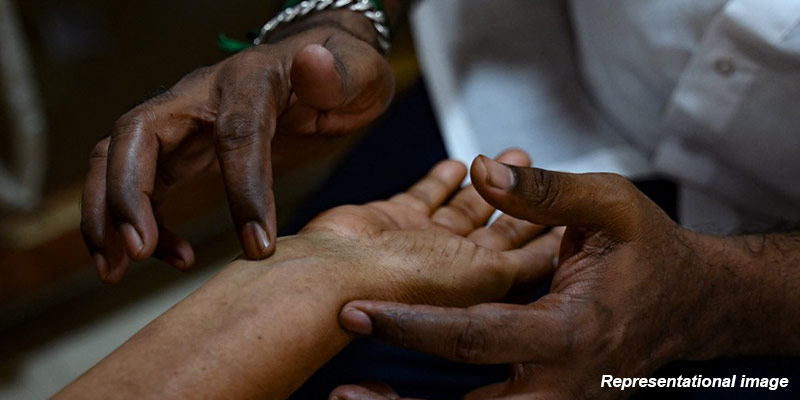
• The BRICS leaders acknowledged the growing relevance of traditional, complementary and integrative medicine (TCIM) in strengthening health systems and advancing progress towards Universal Health Coverage (UHC).
What is TCIM?
Traditional medicine: Traditional medicine refers to codified or non-codified systems for healthcare and well-being, comprising practices, skills, knowledge and philosophies originating in different historical and cultural contexts, which are distinct from and pre-date biomedicine, evolving with science for current use from an experience-based origin. Traditional medicine emphasizes nature-based remedies and holistic, personalised approaches to restore balance of mind, body and environment.
Complementary medicine: Complementary medicine refers to additional healthcare practices that are not part of a country’s mainstream medicine. Evidence-based complementary medicine has the potential to support mainstream medicine and more comprehensively support people’s health and well-being needs.
Integrative medicine: Integrative medicine is an interdisciplinary and evidence-based approach to health and well-being by using a combination of biomedical and traditional and/or complementary medical knowledge, skills and practices.
Herbal medicines: Herbal medicines include herbs, herbal materials, herbal preparations and finished herbal products, that contain as active ingredients parts of plants, other plant materials, or combinations thereof.
Significance of TCIM in New Declaration
• The New Delhi Declaration adopted during the 18th BRICS Leader’s Summit recognised important commitments agreed by BRICS health ministers in July 2026.
• For the first time, BRICS leaders have formally welcomed the proposed establishment of a BRICS Expert Working Group on TCIM under the BRICS Health Track, creating a platform for dialogue, collaboration and exchange among Member States.
• The development comes against the backdrop of growing international attention to the appropriate role of traditional medicine in health systems.
• The WHO Global Traditional Medicine Strategy 2025-2034 places emphasis on strengthening the evidence base, ensuring safety and quality, and supporting appropriate integration of traditional medicine into health systems.
• For India, the development is particularly significant as it reinforces the country’s efforts to advance ayurveda and other AYUSH systems through research, evidence generation, quality assurance and international cooperation.
• India has consistently emphasised the importance of scientific evidence, safety, efficacy and appropriate standards while promoting the responsible integration of traditional medicine into healthcare.
• The focus on medicinal plants and herbal preparations also opens avenues for deeper scientific and technical collaboration among BRICS countries.
• Coordinated research can contribute to better documentation and scientific understanding of medicinal resources, strengthen pharmacopoeial knowledge and support the development of quality-assured therapeutic products.