
- India
- Oct 27
- Sreesha V.M
Govt allows flex-fuel vehicles that can run on E100
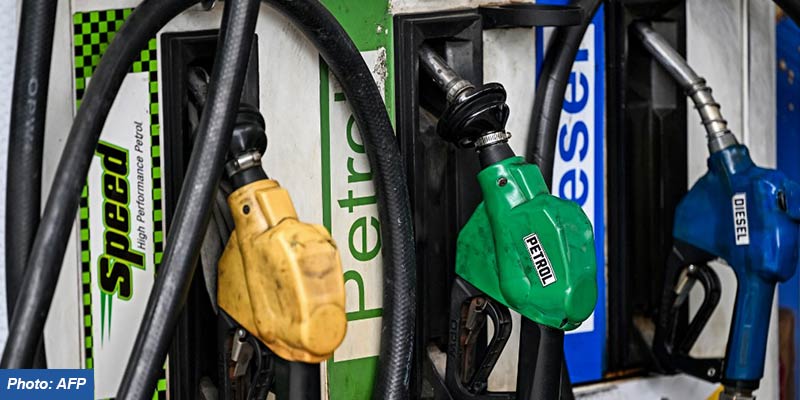
• The Ministry of Road Transport and Highways notified amendments to the Central Motor Vehicles Rules, 1989, allowing flex-fuel vehicles that can run on up to E100.
• E100 fuel allows vehicles to run on nearly pure ethanol.
• Vehicles certified for these fuels must meet the emission and safety requirements applicable to their category.
What are flex-fuel vehicles?
• A flexible-fuel vehicle (FFV), as its name implies, has the flexibility of running on more than one type of fuel.
• FFVs have an internal combustion engine and are capable of operating on petrol and any blend of petrol and ethanol/methanol.
• Like conventional petrol vehicles, FFVs have a single fuel tank, fuel system, and engine.
• Some special ethanol-compatible components are required to compensate for the different chemical properties and energy content in ethanol, such as modifications to the fuel pump and fuel injection system.
• While fuel economy (mileage) is generally lower with increased levels of ethanol (due to the lower energy content in ethanol as compared to petrol and because the engines are optimised for petrol), many FFVs have improved acceleration performance when operating on higher ethanol blends.
• In the West, FFVs have been produced since the 1990s, and more than one hundred models are available.
• Fuel system components and materials are selected for the approved blends, and engine controls automatically adjust operation to the fuel composition.
• This gives users flexibility to choose fuels within the range certified and declared by the manufacturer.
• Major automakers, including Toyota Motor Corporation, Tata Motors, and Hyundai Motor Company are developing flex-fuel vehicles for the Indian market.

The roadmap for ethanol blending programme
• A pilot ethanol blending programme was launched in 2001, formally announced in 2004, and E5 (5 per cent ethanol blending) was rolled out across several States by 2006.
• The policy framework was subsequently notified in January 2013 during the UPA government.
• India had set a target of achieving 5 per cent ethanol blending across 10 states and Union Territories.
• Despite this, blending stayed stuck at around 1.5 per cent until 2014, because India simply could not produce enough ethanol from sugarcane alone.
• In May 2018, the National Policy on Biofuels widened the raw material base beyond sugarcane, to maize and surplus grain, and turned ethanol production into a genuine whole of government mission.
• In June 2021, NITI Aayog released a detailed roadmap after consulting automakers, oil companies and farm experts.
• In August 2021, IOCL, BPCL and HPCL invited private investment to set up dedicated ethanol plants, backed by guaranteed purchase agreements and bank financing.
• India achieved its E10 target (10 per cent ethanol blending in petrol) in June 2022, five months ahead of the date.
• India achieved its 20 per cent ethanol blending target with petrol, five years ahead of the 2030 schedule.
• Greater use of domestically produced ethanol can reduce dependence on imported crude oil.
• Use of ethanol in suitably designed vehicles can help reduce certain exhaust pollutants and lower greenhouse gas emissions over the fuel's production and use, depending on the feedstock and production process.
Will E85, E100 be applicable to all vehicles?
• E85/E100 is intended only for vehicles specifically designed and certified to use it and will not be applicable to the other vehicles generally available in the market or used till date.
• A vehicle’s compatibility with E10 or E20 alone does not establish suitability for E85.
• The ministry’s notification does not require owners of existing vehicles to switch to E85 or modify their vehicles either at present or in the future.
• Motorists should check the fuel compatibility sticker on their vehicle and follow the manufacturer’s guidance in the owner’s manual while opting for the fuel choice at the fuel station.
(The author is a trainer for Civil Services aspirants.)