
- India
- Oct 30
Cabinet approves Khelo India Sports Goods Manufacturing Scheme
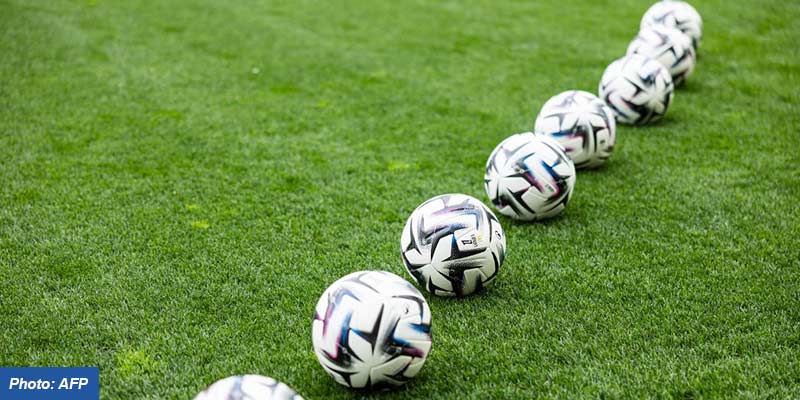
• The Union Cabinet approved the Khelo India Sports Goods Manufacturing Scheme on October 28.
Significance of the scheme
• India’s sports goods manufacturing base draws on established clusters such as Jalandhar (Punjab) and Meerut (Uttar Pradesh), skilled workers and a network of entrepreneurial MSMEs.
• Jalandhar and Meerut together comprise over 250 exporting units, more than 1,000 domestic-market units, over 4,000 micro enterprises and nearly 20,000 household units.
• Other centres include Ludhiana for bicycles and Delhi and Mumbai for sports accessories and apparel.
• Small and micro enterprises account for nearly 90 per cent of production, making the sector an important avenue for local enterprise and employment.
• The global sports equipment market, valued at approximately $140 billion in 2024, is projected to reach around $283 billion by 2036, offering substantial opportunities for Indian manufacturers to expand their presence.
• India’s sports equipment exports could reach approximately $8.1 billion by 2036, potentially generating around 54 lakh additional direct and indirect jobs.
• The United Kingdom, United States and Australia together receive over half of India’s sports equipment exports, providing established connections with major overseas markets.
• The Khelo India Sports Goods Manufacturing Scheme aims to promote investment, manufacturing, innovation and exports, and strengthen India's position in the global sports goods sector.
• It seeks to strengthen India’s sports goods manufacturing base through targeted support for investment, technology adoption, research and innovation, skill development, quality certification and market development.
• It will support the development of a globally competitive sports goods industry and strengthen India's position in global supply chains.
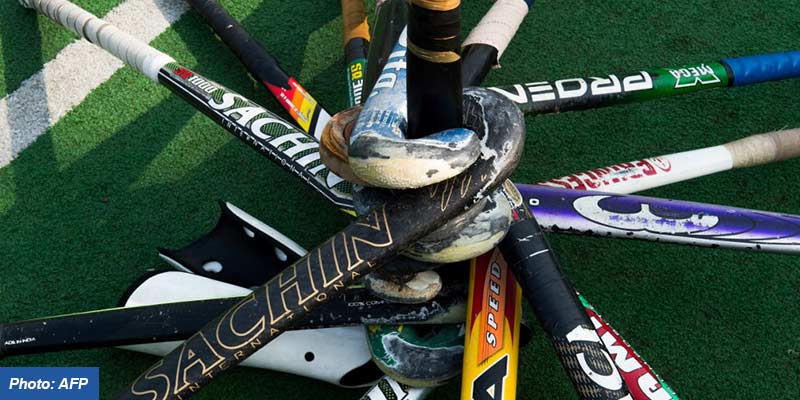
Key interventions under the Scheme:
i) Developing integrated manufacturing zones: The integrated Sports Goods Manufacturing Zones (SGMZs) will bring together manufacturers, suppliers, testing facilities, design and prototyping centres, and ancillary enterprises. Developed through convergence with the BHAVYA Scheme and NICDC Industrial Parks, these zones will strengthen industry linkages and improve manufacturing efficiency. There may be four such integrated zones, each covering more than 300 acres.
ii) Attracting investment and expanding production: A key focus of the scheme is to attract new investments and strengthen domestic manufacturing capacity in the sports goods sector. The Anchor Investment Support component will encourage leading domestic and global manufacturers, brands and retail chains to establish manufacturing facilities within designated Sports Goods Manufacturing Zones and foster the development of robust supplier and ancillary ecosystems. Complementing this, the Turnover Linked Support component will incentivise higher production, capacity expansion and sustained manufacturing growth.
iii) Upgrading existing clusters and supporting MSMEs: Existing sports goods manufacturing clusters will receive support for upgrading common facilities and shared infrastructure through cost-sharing with states, helping smaller enterprises strengthen their manufacturing capabilities.
iv) Supporting international certification: An outlay of Rs 105 crore will help manufacturers obtain and renew certifications from International Sports Federations.
v) Advancing research and startup innovation: Centres of Excellence in premier educational and research institutions will support research in sports equipment, material sciences, protective gear and advanced manufacturing technologies. Research co-funding will be encouraged through convergence with the Anusandhan National Research Foundation. DPIIT-registered sports startups will be eligible for grants of up to Rs 20 lakh. Aligned with Startup India, this support will facilitate the development, testing, validation and commercialisation of new technologies, processes and products.
vi) Developing industry-aligned skills: Skill development initiatives will be implemented in collaboration with the Ministry of Skill Development and Entrepreneurship and relevant industry stakeholders to meet evolving workforce requirements.
vii) Promoting Indian sports goods globally: An India Sports Expo and a Brand India campaign, alongside branding, outreach and market development initiatives drawing on the Export Promotion Mission, will strengthen the visibility of Indian sports goods and support wider access to international markets.