
- India
- Nov 06
21 new inscriptions added to UNESCO’s Memory of the World register
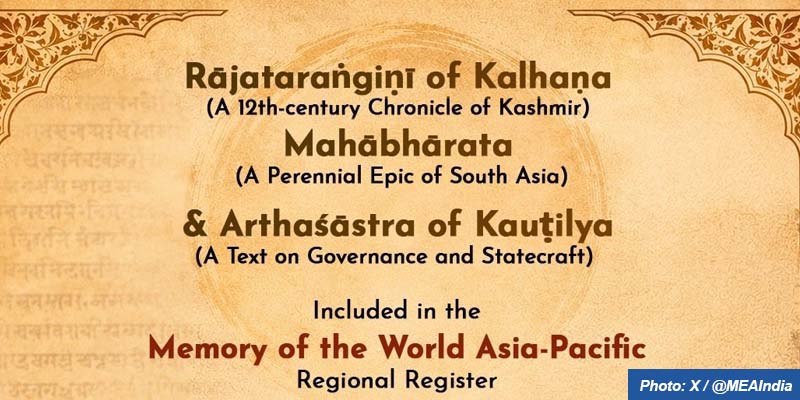
• The UNESCO Memory of the World Committee for Asia and the Pacific (MOWCAP) has announced 21 new additions to the Regional Register for the 2025-2026 nomination cycle.
• The decision was taken at the 11th Session of the Memory of the World Asia-Pacific Regional Register held in Jakarta, Indonesia.
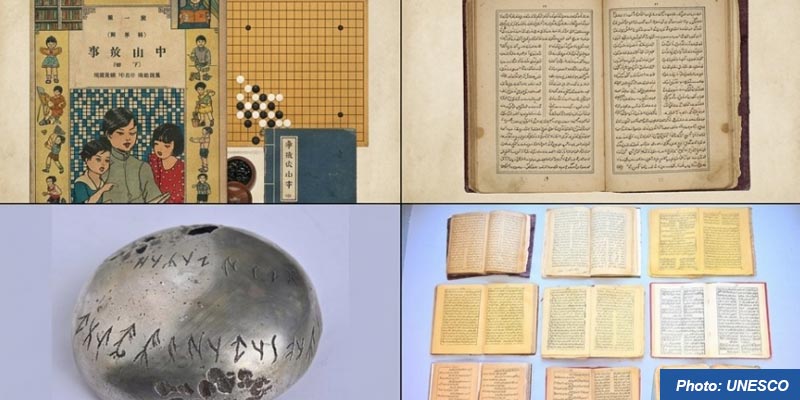
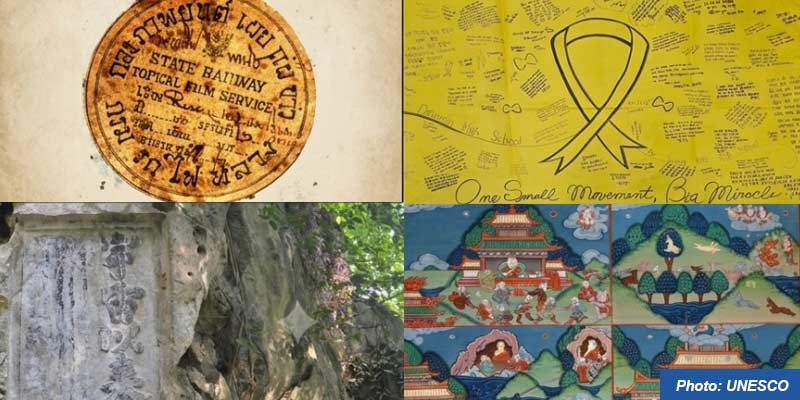
• The newly inscribed documentary items span diverse themes, including disaster resilience, ancient scripts, culinary traditions, gender equality, and early governance systems.
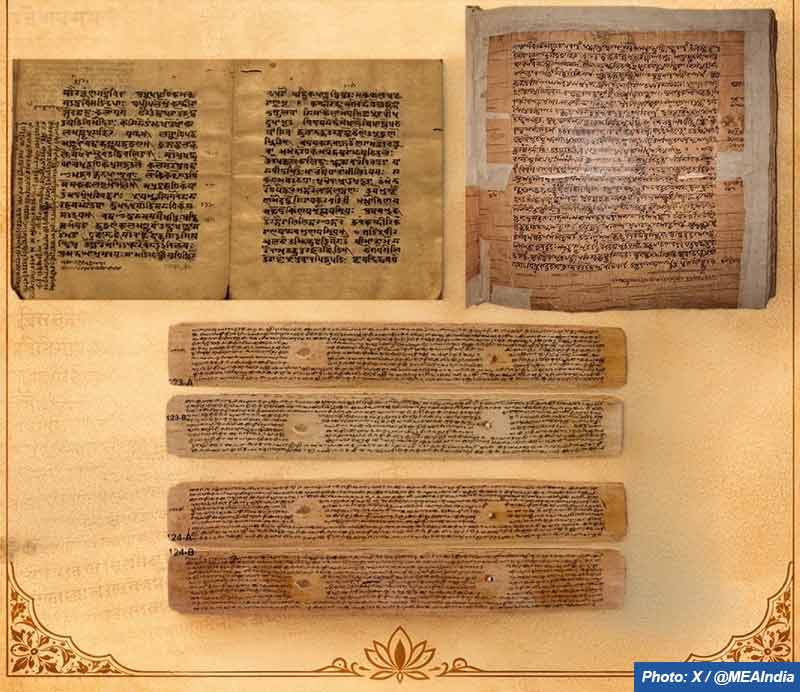
• India’s 16th-century palm-leaf manuscript of Kautilya’s ‘Arthasastra’ outlines ancient statecraft, public finance, and law.
• The 12th-century Sanskrit text ‘Rajatarangini’ by Kalhana offers a rare historical chronicle of royal genealogies and socio-cultural life in Kashmir.
• India’s 400-year-old Birch-Bark ‘Mahabharata’ manuscript in Sarada script preserves a foundational Kashmiri recension of the epic.
Other Indian nominations inscribed on the Register
• The I.A.S. Tamil Medical Manuscript Collection (1997)
• Archives of the Dutch East India Company (2003)
• Saiva Manuscript in Pondicherry (2005)
• Rigveda (2007)
• Laghu Kalacakra Tantra Jatika (Vimalaprabha) (2011)
• Tarikh-e-Khandan-e-Timuriyah (2011)
• Shantinatha Charitra (2013)
• Gilgit Manuscript (2017)
• Maitreyayvarakarana (2017)
• Abhinavagupta (940-1015 CE): Collection of Manuscripts of his works (2023)
• First Summit Meeting of the Non-Aligned Movement Archives (2023)
• Ramcharitmanas (2024)
• Panchatantra (2024)
• Sahrdayaloka-Locana (2024)
• The Natyasastra of Bharatamuni (2025)
• Manuscript Collection of Bhagavadgita (2025).
UNESCO’s Memory of the World (MoW) Programme
• UNESCO launched the Memory of the World (MoW) Programme in 1992 to guard against the collective amnesia, calling upon the preservation of the valuable archive holdings and library collections all over the world and ensuring their wide dissemination.
• Documentary heritage is a legacy of humankind, through which we can look back into the past, enrich our present lives, and look into the future with the boldness forged by enduring memories.
• Documentary heritage is an important ingredient of Sustainable Development, linking all the seventeen Sustainable Development Goals (SDGs) to the cultural fabrics that hold societies together.
• The documentary heritage of many peoples has become dispersed because of accidental or deliberate displacement of holdings and collections, “spoils of war” or other historical circumstance. Sometimes, practical or political barriers hinder access, while in other cases deterioration or destruction are the threats.
• The Programme’s vision is that the world’s documentary heritage belongs to all, should be fully preserved and protected for all and, with due recognition of cultural mores and practicalities, should be permanently accessible to all without hindrance.
• It recognises documentary heritage of international, regional and national significance and maintains registers of it. It facilitates preservation, and access without discrimination.
• It campaigns to raise awareness of the documentary heritage, to alert governments, the general public, business and commerce to preservation needs, and to raise funds.
The Programme’s objectives are to:
i) Facilitate preservation of the world’s documentary heritage.
ii) Catalyse universal access to documentary heritage.
iii) Enhance public awareness worldwide of the significance of documentary heritage.
• The international register is composed of documentary heritage that meets the criteria set out in the general guidelines, among which world significance is the primary criterion.
• Documentary heritage can include materials from a variety of fields and forms, including visual, audio, paper and digital, among others.
• The Memory of the World (MoW) Programme is implemented by UNESCO through a system of committees and support mechanisms operating at international, regional and national levels that conforms to the general guidelines to safeguard documentary heritage.
• The International Advisory Committee (IAC) is the main body responsible for advising UNESCO on the planning and implementation of the Programme as a whole.
• It comprises 14 members serving in a personal capacity, appointed by the Director-General of UNESCO, and chosen for their authority in the field of documentary heritage.
• Regional and national MoW committees are autonomous entities made up of documentary heritage professionals on the ground.
• They are a crucial part of the Programme and implement its strategy on national and regional levels.
• The success of the MoW Programme relies heavily on the drive, initiative and enthusiasm of regional and national committees. To facilitate exchange among the committees, the Programme organises inter-regional conferences on pressing topics.
• The International Register includes 570 entries from 193 countries.
Benefits of inscribing in Memory of the World International Register
i) Strategic opportunities arising from the right to use the UNESCO Memory of the World logo.
ii) Prestige conferred on organisations and collections as a result of UNESCO’s recognition.
iii) Opportunities for increased public awareness.
iv) Strengthening arguments for sponsorship, grants, and funding for preservation.
v) Being part of the global effort to enhance awareness and support for the preservation of documentary heritage.