
- India
- Nov 16
Out-of-pocket expenditure for health drops in India, shows NHA report
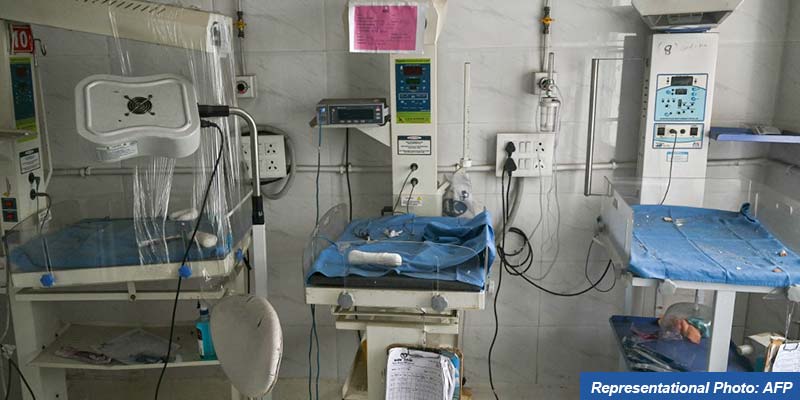
• The National Health Accounts (NHA) Estimates for India 2023-24, released by the Union Health Ministry, showed that out-of-pocket expenditure (OOPE) as a share of total health expenditure fell from 64.2 per cent in 2013-14 to 42.7 per cent in 2023-24.
• It highlights a significant transformation in the country’s healthcare financing landscape.
National Health Accounts 2023-24
• The National Health Accounts Estimates for India 2023-24 constitute the eleventh round of estimates prepared by the National Health Accounts Technical Secretariat (NHATS) at the National Health Systems Resource Centre (NHSRC), Ministry of Health and Family Welfare.
• The National Health Account is a tool to describe health expenditure and the flow of funds in both the government and private sectors of the country.
• These estimates are derived within the framework of National Health Accounts Guidelines for India, 2016 and adhere to the System of Health Accounts 2011, a global standard framework for producing health accounts.
What is Out-of-Pocket Expenditure?
• Out-of-Pocket Expenditure (OOPE) in healthcare refers to the money people pay directly from their own pockets for medical services, such as doctor visits, medicines, and hospital stays.
• In India, high OOPE has long been a significant challenge, especially for low-income families, as it forces many to spend a large portion of their earnings or savings on healthcare.
• This financial burden can push families into poverty, create debt, and make it harder for them to afford other essentials like food and education.
• High OOPE also discourages people from seeking timely medical help, which can lead to worsening health conditions and higher treatment costs in the long run.
• Recognising these issues, the government has been increasing its investment in public healthcare and expanding health insurance schemes to reduce OOPE.
• These efforts aim to make healthcare more accessible and affordable, helping families avoid financial hardship and supporting a healthier population overall.
• One of the most significant findings of NHA 2023-24 is the substantial reduction in OOPE as a share of India’s total healthcare spending.
• OOPE declined from 64.2 per cent in 2013-14 to 42.7 per cent in 2023-24, marking a reduction of 21.5 percentage points.
• This represents an important structural shift in healthcare financing, with a substantially lower proportion of total healthcare expenditure being financed through direct payments by households.
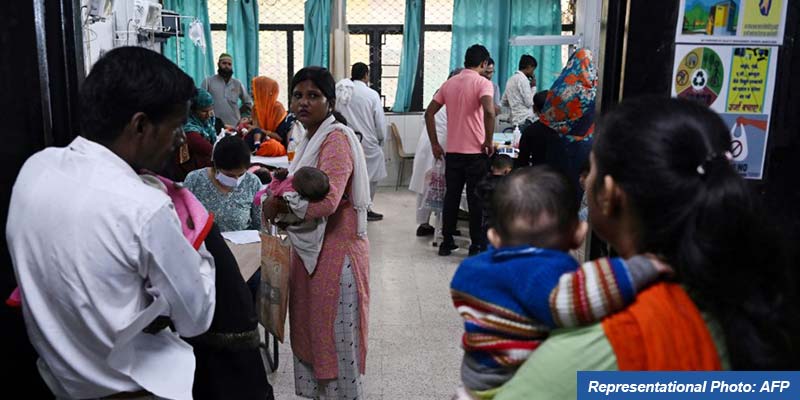
Govt health expenditure triples
• India’s public investment in healthcare has witnessed substantial expansion over the period.
• The government health expenditure rose from Rs 1,29,778 crore in 2013-14 to Rs 4,14,196 crore in 2023-24, representing a three-fold increase.
• Over the decade, the government’s share in Total Health Expenditure (THE) increased by nearly 52 per cent, registering an increase of 14.9 percentage points.
• This growing contribution signifies a major shift in the country’s healthcare financing pattern, with public resources playing a considerably larger role in meeting healthcare expenditure.
• Per capita government health expenditure increased from Rs 1,042 in 2013-14 to Rs 2,959 in 2023-24, representing an increase of approximately 2.8 times.
• This increase highlights the significantly higher level of government expenditure on healthcare per person and reflects the expansion of public healthcare financing over the years.
Social security expenditure on health
• The NHA estimates highlight substantial growth in social security financing for healthcare, an important component of financial protection.
• Social security expenditure on health increased from 6 per cent of Total Health Expenditure in 2013-14 to 11 per cent in 2023-24, an increase of 5 percentage points.
• This growing share reflects the expanding contribution of organised financial protection arrangements, including health insurance schemes such as Ayushman Bharat-Pradhan Mantri Jan Arogya Yojana (AB-PMJAY), state-specific health insurance schemes, social health insurance and medical expenditure for government employees.
• The increase in social security financing is particularly significant as it strengthens mechanisms designed to protect individuals and families against financial risks associated with medical treatment.