
- India
- Nov 26
- Sreesha V.M
PM Modi chairs 55th meeting of PRAGATI
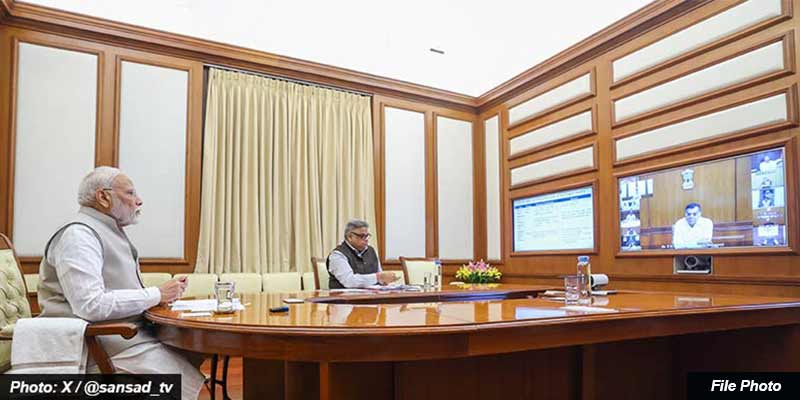
• Prime Minister Narendra Modi chaired the 55th meeting of PRAGATI on November 25.
• During the meeting, the PM reviewed five critical infrastructure projects in the road, power, coal and railway sectors, with a total cost of over Rs 78,000 crore.
• He also reviewed the Industrial Training Institute (ITI) ecosystem, including the implementation of the Pradhan Mantri Skilling and Employability Transformation through Upgraded ITIs (PM-SETU).
What is PRAGATI?
• PRAGATI is the acronym for the ICT-based multi-modal platform for Pro-Active Governance and Timely Implementation.
• It is a three-tier system consisting of the PMO, Union government secretaries and chief secretaries of the states.
• The system has been designed by the Prime Minister’s Office (PMO) with the help of National Informatics Center (NIC).
• The platform is aimed at addressing the common man’s grievances, and simultaneously monitoring and reviewing important programmes and projects of the central as well as state governments.
Its objectives are:
i) Grievance redressal
ii) Programme implementation
iii) Project monitoring.
The PRAGATI platform bundles three technologies:
i) Digital data management
ii) Video-conferencing
iii) Geo-spatial technology.
• It offers a unique combination in the direction of cooperative federalism since it brings on one stage the secretaries of government of India and the chief secretaries of the states.
• With this, the Prime Minister is able to discuss the issues with the concerned central and state officials with full information and latest visuals of the ground level situation.
• It is a robust system for bringing e-transparency and e-accountability with real-time presence and exchange among the key stakeholders. It is also an innovative project in e-governance and good governance.
• The first meeting was held on March 25, 2015.
• Over the years, the PRAGATI led ecosystem has helped accelerate projects worth more than Rs 85 lakh crore rupees and supported the on-ground implementation of major welfare programmes at scale.
(The author is a trainer for Civil Services aspirants.)