
- India
- Nov 27
Centre convenes second part of Monsoon Session
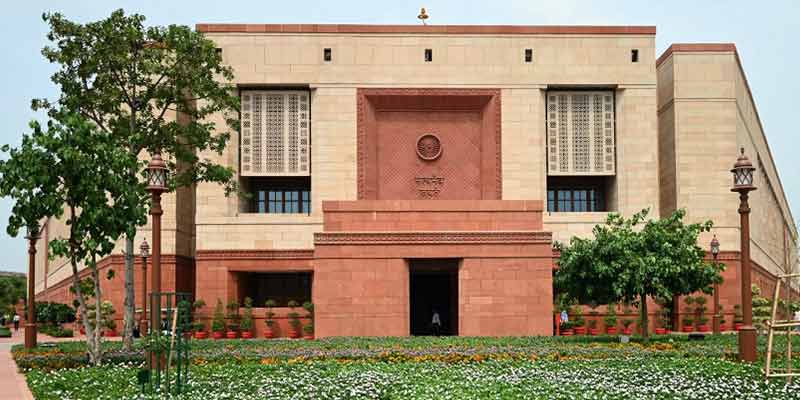
• A special sitting of Parliament has been convened from November 30.
• The two Houses were reconvened following separate directives issued by Lok Sabha Speaker Om Birla and Rajya Sabha Chairman C.P. Radhakrishnan.
• The special sittings will be an extension of the Monsoon Session.
• Parliament was adjourned sine die on August 13, but it was not prorogued the formal ending of the session.
• Usually, a session is prorogued by the President, a few days after the proceedings come to an end.
• The second part of the Eighth Session of the 18th Lok Sabha will be held from November 30 to December 3.
• Resumption of sitting of the 271st session of Rajya Sabha will be held from December 2 to 3.
• The communiques also conveyed that there would be no Question Hour, Zero Hour or Private Members’ Business during the sittings.
What is prorogation of Parliament Session?
• Prorogation means the termination of a Session of the House by an order made by the President under Article 85(2)(a) of the Constitution.
• The Prorogation of the House may take place any time, even while the House is sitting.
• However, usually, prorogation follows the adjournment of the sitting of the House sine die.
• On adjournment of the Lok Sabha or its adjournment sine die, the pending business does not lapse.
• Bills pending before either House or Select/Joint Committee, Motions, Resolutions, and amendments which have already been moved and pending in the House, and business pending before a Parliamentary Committee do not lapse on prorogation whereas all business pending before the House or any of its Committee lapse on dissolution.
• Prorogation terminates a Session and does not constitute an interruption in the continuity of life of the Lok Sabha which is brought to an end only by dissolution.
• Dissolution of the House means the end of the life of the Lok Sabha either by an order made by the President under article 85(2)(b) of the Constitution or on the expiration of the period of five years from the date appointed for its first meeting.