
- World
- Feb 02
US suspends missile treaty with Russia
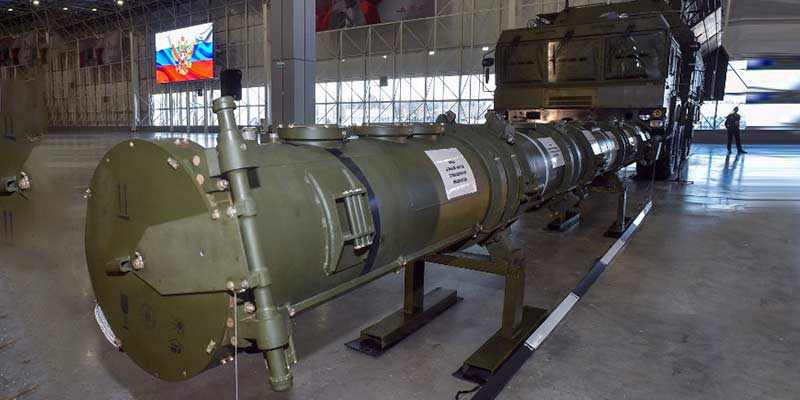
The US announced on February 1 that it will withdraw from the Intermediate-range Nuclear Forces (INF) treaty with Russia in six months unless Moscow ends its alleged violations of the landmark 1987 arms control pact. The US would reconsider its withdrawal if Russia - which denies violating the treaty - came into compliance with the agreement, which bans both nations from stationing short and intermediate-range land-based missiles in Europe. The move sets the stage for delicate talks with US allies over potential new American missile deployments.
In explaining his decision, which he had foreshadowed months ago, US President Donald Trump accused Moscow of violating the treaty with “impunity” by deploying banned missiles. Moscow denies it is in violation and has accused Washington of resisting its efforts to resolve the dispute. It accused the US of unilaterally seeking to neuter the treaty.
“I ‘congratulate’ the whole world. The US has taken another step towards its destruction today,” said Konstantin Kosachev, head of the foreign affairs committee in Russia’s upper house of Parliament.
Trump said in a statement that the US will “move forward” with developing its own military response options to Russia’s banned deployment of cruise missiles that could target Western Europe. “We cannot be the only country in the world unilaterally bound by this treaty, or any other,” Trump said. Other officials said the treaty could still be saved if Russia reverses course and returns to compliance, but that window of opportunity will close in six months when the American withdrawal is due to take effect.
INF was the first arms control measure to ban an entire class of weapons: ground-launched cruise missiles with a range between 500 and 5,500 km. At the time, in the late stages of the Cold War, the US and its allies were mainly concerned by the perceived threat of Russian medium-range nuclear missiles that were targeted at Europe. The US deployed similar missiles in response, in the 1980s, leading to negotiations that produced the INF treaty.
Democrats in US Congress and some arms control advocates criticised Trump’s decision as opening the door to an arms race. “The US threat to terminate the treaty will not bring Russia back into compliance and could unleash a dangerous and costly new missile competition between the US and Russia in Europe and beyond,” said the Arms Control Association. It argued that Washington had not exhausted options for drawing Russia back into compliance.
Trump’s decision reflects his administration’s view that the arms treaty was an unacceptable obstacle to more forcefully confronting not only Russia but also China. Beijing’s military has grown mightily since the treaty was signed, and the pact has prevented the US from deploying weapons to counter some of those being developed by Beijing. Whether the US will now respond by deploying INF non-compliant missiles in Asia is unclear. In any case, it seems unlikely Beijing would agree to any negotiated limits on its weaponry.
Leaving the INF pact, however, risks aggravating relations with European allies, who share the administration’s view that Russia is violating the treaty, but have not endorsed a US withdrawal.
US Secretary of State Mike Pompeo said Russia will be formally notified that the US is withdrawing from the treaty, effective in six months. In the meantime, the US will suspend its obligations under the treaty. Pompeo said that if, in the coming six months, Russia accepts the US demands that it verifiably destroy the cruise missiles that Washington claims are a violation, then the treaty can be saved. If it does not, “the treaty terminates”, he said.
That treaty, which also limits deployed land and submarine-based missiles and nuclear-capable bombers, expires in February 2021. It can be extended by five years if both sides agree.