
- World
- Jun 15
Hong Kong suspends extradition Bill
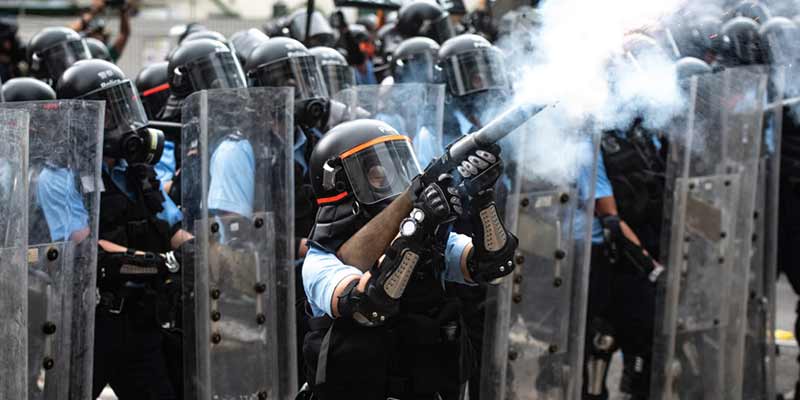
In a dramatic retreat after widespread anger, Hong Kong’s embattled leader said on June 15 that a divisive Bill that would allow extraditions to China would be “suspended”. The city’s pro-Beijing leader Carrie Lam has come under huge pressure to abandon the controversial legislation, including from her own political allies and advisers.
“The government has decided to suspend the legislative amendment exercise, restart our communication with all sectors of society, do more work and listen to different views of society,” Lam told reporters. “We have no intention to set a deadline for this work and promise to report to and consult members of the legislative council panel on security before we decide on the next step forward,” she said.
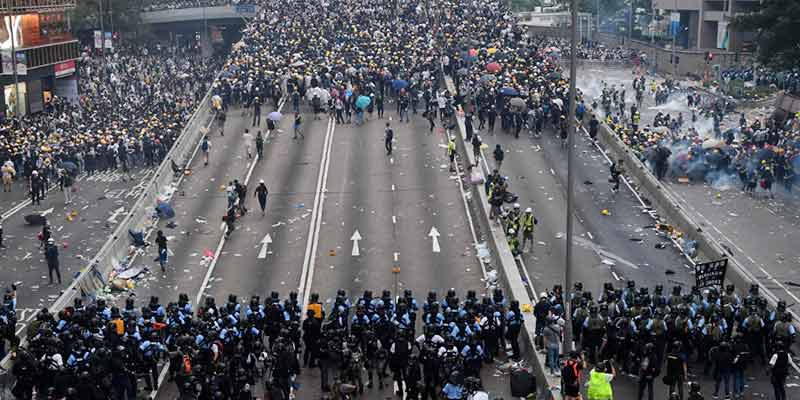
The international finance hub was rocked by the worst political violence since its 1997 handover to China as tens of thousands of protesters were dispersed by riot police firing tear gas and rubber bullets. As criticism mounted, signs also emerged of a growing discomfort among Communist Party leaders in Beijing. Tensions were running high with protest organisers planning another mass rally on June 16.
Lam, who is appointed by a committee stacked with Beijing loyalists, had previously refused to consider abandoning the Bill, despite months of criticism from business and legal bodies — and a record breaking rally on June 16 where organisers said more than one million protesters hit the streets.
Beijing has vocally supported the Bill and earlier this week threw its full support behind the Lam administration, calling protesters “rioters”. But it has since sought to distance itself as public anger spiralled.
What is the purpose of this Bill?
The extradition Bill, which would cover Hong Kong’s seven million residents as well as foreign and Chinese nationals in the city, was seen by many as a threat to the rule of law in the former British colony. The Hong Kong government first launched the proposals in February, putting forward sweeping changes that would simplify case-by-case extraditions of criminal suspects to countries beyond the 20 with which Hong Kong has existing extradition treaties.
It explicitly allows extraditions from Hong Kong to greater China — including the mainland, Taiwan and Macau — for the first time, closing what Hong Kong government officials have repeatedly described as a “loophole” that they claim has allowed the city to become a haven for criminals from the mainland.
Hong Kong’s leader would start and finally approve an extradition following a request from a foreign jurisdiction but only after court hearings, including any possible appeals.
However, the Bill removes Legislative Council oversight of extradition arrangements. If the Bill becomes law, it will be possible for mainland Chinese courts to request Hong Kong courts to freeze and confiscate assets related to crimes committed on the mainland, beyond an existing provision covering the proceeds of drug offences.
Who are opposing the Bill?
Concern about the amendments has spiralled in recent weeks, taking in pro-business and pro-Beijing elements usually loath to publicly contradict the Hong Kong or Chinese governments. Senior Hong Kong judges have privately expressed alarm, and mainland commercial lawyers based in Hong Kong have echoed their fears, saying the mainland system cannot be trusted to meet even basic standards of judicial fairness.
Hong Kong lawyers’ groups have issued detailed submissions to the government, hoping to force a postponement. Authorities have repeatedly stressed that judges will serve as “gatekeepers” or guardians for extradition requests. However, some judges say privately that China’s increasingly close relationship with Hong Kong and the limited scope of extradition hearings will leave them exposed to criticism and political pressure from Beijing.
Foreign political and diplomatic pressure over human rights concerns is rising, too. As well as recent statements from US Secretary of State Mike Pompeo and his British and German counterparts, some 11 European Union envoys met Hong Kong Chief Executive Carrie Lam to protest formally.