
- World
- Jun 21
Libyan leader launches peace initiative
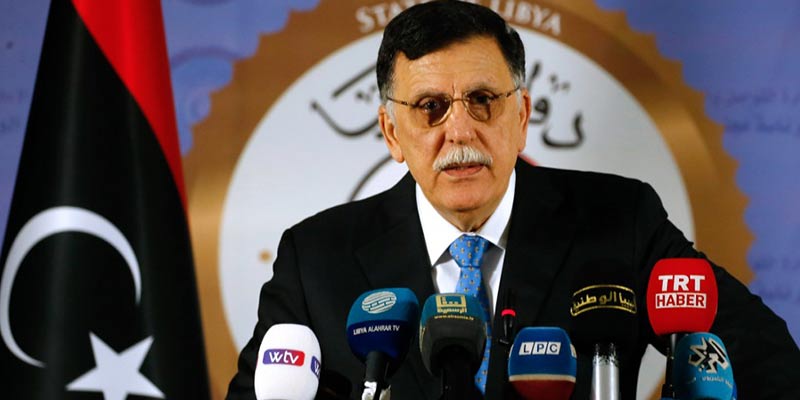
Libya’s UN-recognised government in Tripoli has sought to break the deadlock in the country’s civil war by launching a peace initiative. It will include a national peace forum followed by simultaneous parliamentary and presidential elections to be held by the end of the year.
The UN-supervised forum will be open to all parties committed to the democratic process.
The announcement by Prime Minister Fayez al-Sarraj include a national reconciliation authority, with amnesties for everyone except those who have committed war crimes or crimes against humanity.
When did the crisis begin?
Oil-rich Libya has been riven by chaos since the NATO-backed uprising in 2011 that killed dictator Muammar Gaddafi. Khalifa Haftar, the head of the Libyan National Army, took part in the uprising against Gaddafi.
After Gaddafi’s death, Libya has seen a bitter rivalry emerge between the Tripoli-based authorities and Haftar’s supporters in the east of the country. Post-Gaddafi Libya has remained a battleground, both on the terrain and in politics, between a myriad of rival militias and political factions operating with impunity.
The civil war’s aftermath and proliferation of armed groups led to violence and instability across the country, which erupted into renewed civil war in 2014.
What is the current situation?
At present, there are two governments in Libya, one based in Tobruk and the other in the capital Tripoli. Haftar backs the Tobruk government and has captured huge swathes of territory. But the Tripoli government has international recognition.
The current crisis was triggered when Haftar moved his troops to Tripoli in April to oust the government of al-Sarraj. Hundreds of people have already been killed, but both sides have refused to agree to a ceasefire despite international calls.
During both civil wars, the output of Libya’s economically crucial oil industry collapsed to a small fraction of its usual level, with most facilities blockaded or damaged by rival groups, despite having the largest oil reserves of any African country.
India also evacuated its contingent of peacekeeping forces comprising 15 CRPF personnel from Tripoli.
The way forward
* The UN is determined to hold Libya’s national conference on possible elections on time despite the eastern forces’ advance on Tripoli in an escalation of the conflict.
* The UN has issued a plea for a temporary ceasefire to allow the wounded to be evacuated.
* Many European countries and the US have called on the warring factions to cease hostilities and de-escalate tension.
* The US has ordered the evacuation of its troops stationed in Tripoli.
* The civil war in Libya may lead to a new migrant crisis from Africa into Europe.
* Libya has the largest oil reserve in Africa and is one of the largest oil producers in the world. Instability in Libya may increase oil prices globally. This will impact India directly.