
- World
- May 31
Scientists use AI to discover a drug to combat a superbug
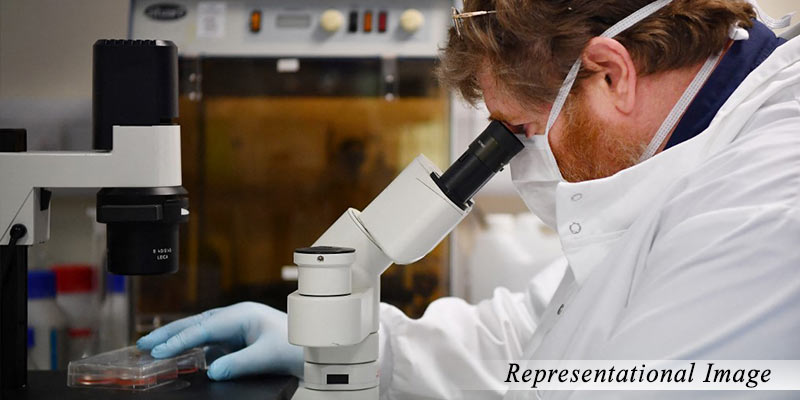
• Using Artificial Intelligence, scientists at MIT and McMaster University have discovered a new antibiotic that can kill a deadly superbug — Acinetobacter baumannii.
• Superbugs are strains of bacteria that are resistant to several types of antibiotics.
• Acinetobacter baumannii is a nosocomial Gram-negative pathogen that often displays multidrug resistance due to its robust outer membrane and its ability to acquire and retain extracellular DNA that frequently encodes antibiotic resistance genes. Moreover, it can survive for prolonged durations on surfaces and is resistant to desiccation.
• Gram-negative bacteria are surrounded by a thin peptidoglycan cell wall, which itself is surrounded by an outer membrane containing lipopolysaccharide. Gram-positive bacteria lack an outer membrane but are surrounded by layers of peptidoglycan many times thicker than is found in the Gram-negatives.
• Acinetobacter baumannii is often found in hospitals and can lead to pneumonia, meningitis, and other serious infections. The microbe is also a leading cause of infections in wounded soldiers in Iraq and Afghanistan.
• Anti-microbial resistance occurs when bacteria, viruses, fungi and parasites change over time and no longer respond to medicines making infections harder to treat and increasing the risk of disease spread, severe illness and death.
• The scientists identified a new drug from a library of nearly 7,500 potential drug compounds using a machine-learning model to kill this superbug and named it abaucin.
Machine-learning model
• The researchers first exposed Acinetobacter baumannii grown in a lab dish to about 7,500 different chemical compounds to see which ones could inhibit growth of the microbe.
• Then they fed the structure of each molecule into the model. They also told the model whether each structure could inhibit bacterial growth or not. This allowed the algorithm to learn chemical features associated with growth inhibition.
• Once the model was trained, the researchers used it to analyse a set of 6,680 compounds it had not seen before, which came from the Drug Repurposing Hub at the Broad Institute. This analysis, which took less than two hours, yielded a few hundred top hits. Of these, the researchers chose 240 to test experimentally in the lab, focusing on compounds with structures that were different from those of existing antibiotics or molecules from the training data.
• Those tests yielded nine antibiotics, including one that was very potent.
• This compound, which was originally explored as a potential diabetes drug, turned out to be extremely effective at killing Acinetobacter baumannii.
• Laboratory experiments showed it could treat infected wounds in mice and was able to kill Acinetobacter baumannii samples.
• This experimental antibiotic had no effect on other species of bacteria, and works only on Acinetobacter baumannii.
Manorama Yearbook app is now available on Google Play Store and iOS App Store