
- World
- Jan 06
UN Food Price Index eases in December
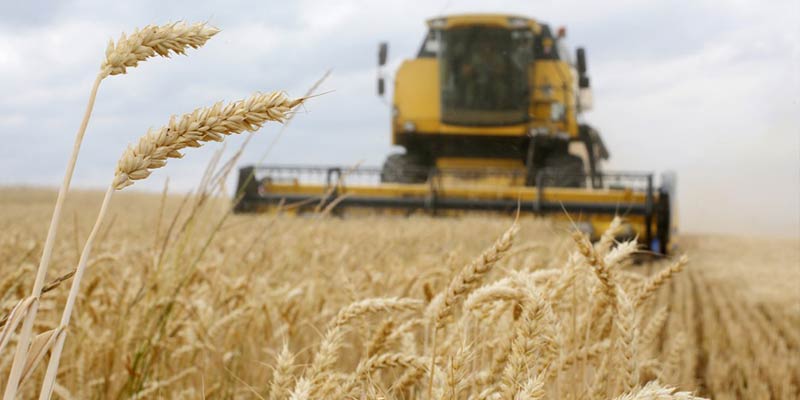
• The UN Food and Agriculture Organisation (FAO) reported that the Food Price Index ended the year just over 10 per cent below its December 2022 level, further easing concerns over food price inflation worldwide.
• The monthly figure for a basket of traded food commodities was also down around 1.5 per cent for December, averaging 118.5 points, compared with the previous month.
• For 2023 as a whole, the index was 13.7 percent lower than the average value over the preceding year, with only the international sugar price index higher over the period.
FAO Food Price Index
• Movements in agricultural commodity prices and food prices are indicators of changes in the fundamentals of supply and demand.
• As such, their levels are indicative of market imbalances that, for example, can portend to worsening food security. The timely monitoring of prices is also important for assessing the functioning and efficiency of international and national markets.
• Transparent and timely market information is a basis for evidence-based decision making and food security strategies. Past price volatility events demonstrate the value of timely market information and analysis, which can mitigate negative effects on low-income groups, who spend a large proportion of their income on food.
• FAO’s statistical and market outlook work is key to help monitor, analyse, and disseminate food price data along the food supply chain, from producers to consumers, through both domestic and international markets.
• The FAO Food Price Index (FFPI) is a measure of the monthly change in international prices of a basket of food commodities — cereals, oilseeds, dairy products, meat and sugar. It consists of the average of five commodity group price indices weighted by the average export shares of each of the groups in 2014-2016.
• The FFPI was introduced in 1996 as a public good to help in monitoring developments in the global agricultural commodity markets.
Food and Agriculture Organisation of the UN
• In 1943, when the end of World War II was still far from predictable, some 44 governments came together in Hot Springs, Virginia, in the US and committed themselves to creating an international organisation in the field of food and agriculture.
• With the end of World War II came a determination to end, once and for all, the ancestral ills of poverty and hunger.
• On October 16, 1945, in a meeting in Quebec City, Canada 34 governments signed the Constitution for a permanent organisation in the field of food and agriculture.
• The Food and Agriculture Organisation of the United Nations (FAO) is a specialised agency of the United Nations that leads international efforts to defeat hunger.
• FAO leads international efforts to defeat hunger and to achieve food security for all and to make sure that people have regular access to enough high-quality food to lead active, healthy lives.
• FAO has 195 members — 194 countries and the European Union — and works in over 130 countries worldwide.
• FAO’s support to Members in transforming agrifood systems making them more efficient, inclusive, resilient and sustainable is central to achieving the 2030 Agenda for Sustainable Development.
• Through the Four Betters (Better Production, Better Nutrition, a Better Environment, and a Better Life for all, leaving no one behind), FAO contributes directly to SDG 1 (No Poverty), SDG 2 (Zero Hunger), and SDG 10 (Reduced Inequalities).
• The UN observes World Food Day on October 16. It commemorates the date of the founding of the FAO, with an aim to increase awareness of world hunger and poverty and inspire solutions for world change.
Manorama Yearbook app is now available on Google Play Store and iOS App Store