
- World
- Jan 09
IAEA launches mission to study microplastics in Antarctica
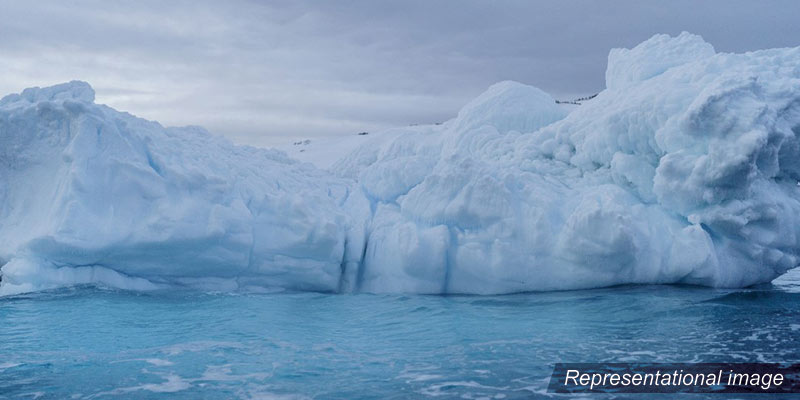
• The International Atomic Energy Agency (IAEA), in cooperation with Argentina, launched its first scientific research expedition to investigate the presence of microplastics in Antarctica as part of efforts to combat this growing environmental problem, even in the planet’s most remote areas.
• The two-person research team will set off for one month to assess the impact of microplastics by investigating its occurrence and distribution in seawater, lakes, sediments, sand, discharge water and animals of the Antarctic ecosystem near the Argentine Carlini scientific research station.
What are microplastics?
• One of the most damaging and long-lived legacies of the plastic pollution crisis is microplastics, a growing threat to human and planetary health.
• Microplastics are tiny plastic particles up to 5mm in diameter.
• These tiny plastic particles are present in everyday items, including cigarettes, clothing and cosmetics.
• Microplastics enter the ocean from marine plastic litter breaking down, run-off from plumbing, leakage from production facilities and other sources.
• When ingested by marine life such as birds, fish, mammals and plants, microplastics have both toxic and mechanical effects, leading to issues including reduced food intake, suffocation, behavioral changes and genetic alteration.
• In addition to entering the food chain through seafood, people can inhale microplastics from the air, ingest them from water and absorb them through the skin. Microplastics have been found in various human organs, and even in the placenta of newborn babies.
• Microplastics known as cellulose acetate fibres comprise the majority of cigarette filters. With six trillion cigarettes consumed by one billion smokers annually, these fibres reach every corner of the world. Cigarette butts are the most common plastic litter on beaches, making marine ecosystems highly susceptible to microplastic leakages.
• Plastics – including polyester, acrylic and nylon – comprise approximately 60 per cent of all clothing material. Due to abrasion, clothing and textiles with these materials shed microplastics known as microfibres when washed or worn. According to a 2020 UNEP report that maps the global textile value chain, around 9 per cent of annual microplastic losses to the ocean come from clothes and other textiles.
• Cosmetics and personal care products are other staples of grooming routines that can be loaded with microplastics. These products often contain primary microplastics, which are intentionally manufactured and added, often to provide texture — from hand sanitiser and soap to toothpaste and deodorant.
Significance of IAEA mission to Antarctica
• The first evidence of microplastics found in Antarctic coastal fast ice dates to 2009 when researchers from the University of Tasmania sampled sea ice in East Antarctica. However, there is still almost no information available on where and how much microplastics arrive in the Antarctic and how much is taken up by Antarctic organisms.
• There is also very little data existing on the types of microplastics reaching this pristine area through ocean currents, atmospheric deposition and the presence of humans in the Antarctic.
• The presence of microplastics can contribute to accelerating the ice-loss in Antarctica by reducing ice reflectivity, altering surface roughness, promoting microbial activity, acting as thermal insulators, and contributing to mechanical weakening of the ice structure.
• When combined with climate change, atmospheric conditions, and oceanic influences, the presence of microplastics will deepen the devastating impact of polar ice melting in Antarctica.
• In addition, microplastics entering the food chain of Antarctic organisms negatively affects the health of Antarctic life and their resilience to climate change.
• Over the next month, two IAEA experts will monitor the presence of microplastics in the environment at 22 sites near the Carlini research base in different environments: the Antarctic Ocean water, Antarctic lakes, and Antarctic land.
• They will take seawater samples from 12 sites, sediment samples from four sites, three samples from lakes and sample three different sandy beaches. The team will also monitor the presence of microplastic in organisms by collecting clams and limpets, and the faeces of penguins.
• The IAEA mission to Antarctica, the world’s southernmost continent, is being carried out through the IAEA’s NUTEC plastics initiative. Established in 2020, NUTEC is an IAEA flagship initiative to fight plastic pollution with nuclear technologies.
• Through a network of NUTEC Plastic Monitoring Laboratories, nuclear and isotopic techniques are being used to produce data on marine microplastics distribution by sampling and analysing the prevalence of microplastics in the environment.
• NUTEC Plastics (NUclear TEChnology for Controlling Plastic Pollution) builds on the IAEA’s efforts to deal with plastic pollution through recycling using radiation technology and marine monitoring using isotopic tracing techniques.
• It provides science-based evidence to characterise and assess marine microplastic pollution, while also demonstrating the use of ionizing radiation in plastic recycling, transforming plastic waste into reusable resources.

International Atomic Energy Agency
• Widely known as the world’s ‘Atoms for Peace and Development’ organisation within the United Nations family, the International Atomic Energy Agency (IAEA) is the international centre for cooperation in the nuclear field.
• The agency works with its Member States and multiple partners worldwide to promote the safe, secure and peaceful use of nuclear technologies, contributing to international peace and security and the United Nations' Sustainable Development Goals.
• The IAEA was created in 1957 in response to the deep fears and expectations generated by the discoveries and diverse uses of nuclear technology. The agency’s genesis was US President Eisenhower’s “Atoms for Peace” address to the General Assembly of the United Nations on December 8, 1953.
• The US Ratification of the Statute by President Eisenhower on July 29, 1957, marks the official birth of the IAEA.
• In October 1957, the delegates to the First General Conference decided to establish the IAEA’s headquarters in Vienna, Austria.
• India is a founding member of IAEA.
• The IAEA has also two regional offices located in Toronto and Tokyo, as well as two liaison offices in New York City and Geneva. The agency runs laboratories specialised in nuclear technology in Vienna, Seibersdorf and Monaco.
• The IAEA’s policy-making bodies decide on the agency’s programmes and budgets. They comprise the General Conference of all Member States and the 35-member Board of Governors. The General Conference convenes annually at the IAEA headquarters in Vienna, typically in September. The Board meets five times per year, also in Vienna.
Manorama Yearbook app is now available on Google Play Store and iOS App Store