
- World
- May 18
Explainer - Summit on Clean Cooking in Africa
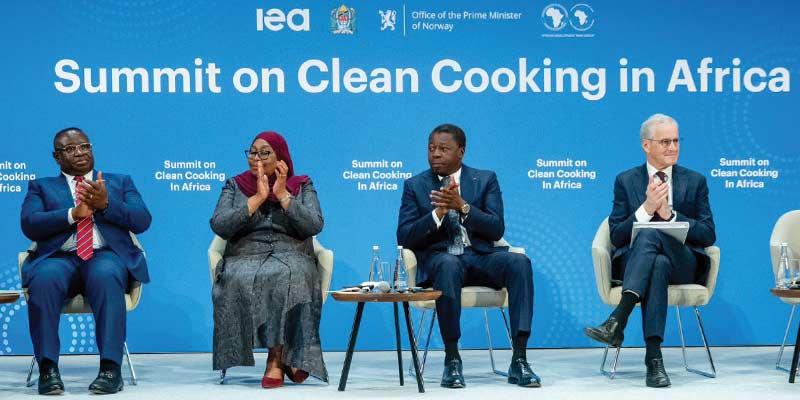
• Delegates from nearly 60 countries, as well as companies and development institutions, gathered in Paris for the inaugural ‘Summit on Clean Cooking in Africa’ to channel unprecedented resources towards addressing a challenge affecting huge numbers of women and children.
• The Summit has mobilised $2.2 billion in financial pledges from governments and the private sector.
• The Summit focused on providing clean cooking access to the more than one billion people in Africa who currently lack it has delivered a breakthrough financial commitment for addressing one of the world’s most persistent and deep-seated inequalities.
• It was co-chaired by the leaders of the governments of Tanzania and Norway, and the African Development Bank and the International Energy Agency (IEA).
What is the significance of this Summit?
• Lack of access to clean cooking affects over two billion people worldwide. More than half are in Africa, typically cooking over open fires and basic stoves.
• Using charcoal, wood, agricultural waste, and animal dung as fuel, they inhale harmful toxic fumes and smoke with dire consequences for health.
• It is the second leading cause of premature death in Africa. Women and children account for most of the lives lost, the vast majority of them in sub-Saharan Africa.
• Opportunities for education, employment and independence are limited because women instead spend hours each day foraging for rudimentary fuels.
• The tools for enabling clean cooking access are readily available and affordable – and can have a profound impact on the lives of people across Africa and beyond.
• But progress in many African countries has significantly lagged what has been seen in other regions in recent decades.
• It is the first time that such a large amount has been dedicated to clean cooking access at a single gathering, with the potential to make 2024 a turning point on an issue that has been overlooked for too long.
• Successfully advancing the clean cooking agenda in Africa would contribute towards protecting the environment, climate, health, and ensuring gender equality.
• Success stories from other regions demonstrate that rapid and transformative progress on clean cooking is achievable.
How will it be implemented?
• Following the summit, the IEA will employ a “double-lock system” to ensure that momentum behind clean cooking does not slow in the coming months and years.
• The agency will focus efforts on two areas. First, by using effective methods to ensure that pledges and commitments are fulfilled, tracking them carefully to make sure the money is spent in a timely manner and reaches those in need.
• Second, the IEA will continue to play a convening role to engage more willing partners and generate new funds to help meet the $4 billion a year in capital investments required between now and 2030.
• Reaching this level of funding would enable the world to deploy the stoves and fuel delivery infrastructure needed to reach universal access to clean cooking in sub-Saharan Africa.
Manorama Yearbook app is now available on Google Play Store and iOS App Store