
- World
- Nov 14
Sudan extends opening of Adre border crossing for aid delivery
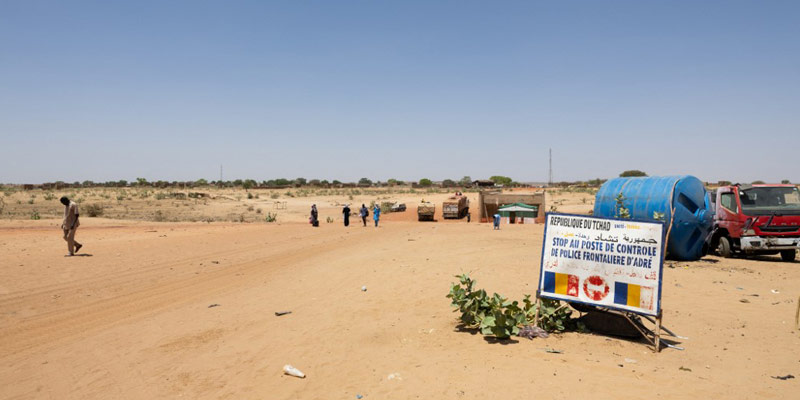
• Sudan’s sovereign council said it would extend the use of the Adre border crossing with Chad, seen as essential by aid agencies for the delivery of food and other supplies to areas at risk of famine in the Darfur and Kordofan regions.
• Conflict erupted between rival militaries the Sudanese Armed Forces and the Rapid Support Forces (RSF) over the transfer of power to civilian rule.
• Adre, which was closed by an order from the army-controlled government in February, was re-opened for three months in August until November 15, and it had not been clear whether that period would be extended.
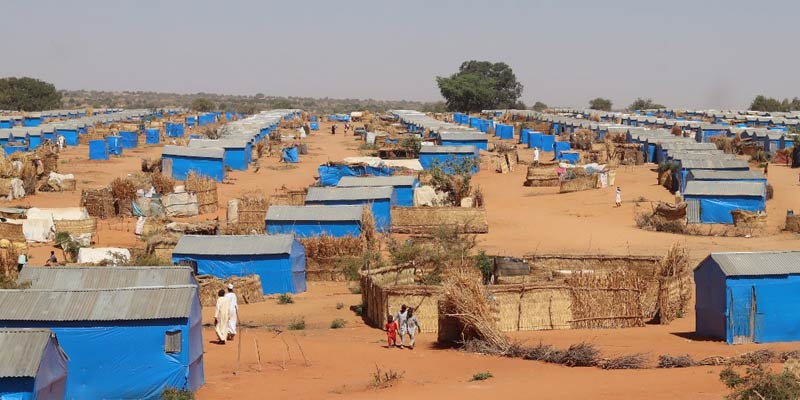
• The border town of Adre used to be home to 40,000 people, but it now hosts around 230,000 Sudanese refugees. Many spend months in harsh conditions while waiting to be relocated inland.
• Members of the government have protested against the opening, saying it allows for the RSF to deliver weapons. However, the Sudanese army is not in physical control of the border crossing which lies within territory seized last year by the RSF, which controls most of Darfur.
• The United Nations welcomed the decision to keep Adre open for another three months.
Sudan trapped in a ‘nightmare of violence’
• UN Secretary-General António Guterres has warned that the people of Sudan are trapped in a “nightmare of violence, hunger, disease and displacement”, as the brutal war between the Sudanese Armed Forces (SAF) and the Rapid Support Forces (RSF) continues to rage.
• The country’s army and paramilitary Rapid Support Forces (RSF) are battling in a power struggle that exploded in April 2023.
• With a population of 46 million, Sudan is the third most populous country in Africa.
• The situation in Sudan has been in a freefall since the war erupted in April 2023.
• The people of Sudan face an ever-deepening crisis as the relentless war between rival militaries pushes the country further into chaos.
• It is now the world’s worst displacement crisis, with more than 11 million people driven from their homes — nearly three million among them into neighbouring countries as refugees, according to the UN relief coordinating office — OCHA.
• Disease outbreaks, including cholera, malaria and dengue fever, are spreading quickly due to the collapse of the health system.
• The exodus from Sudan has put pressure on surrounding countries to provide assistance to all those in need of shelter and basic services.
• The war has unleashed a severe hunger crisis, affecting millions. Large swathes of fertile croplands lay fallow as families have either fled for safety or lack seeds, fertilizers and other necessities.
• The latest analysis by the global food security tracker, or IPC, found that more than 750,000 people were facing the very highest levels of food insecurity and potential widespread famine.
• Access for aid workers and supplies also remains a major challenge.
• The socio-economic outlook of the country is growing more dire by the day. Full-time employment across Sudan has plummeted by half and only one in seven urban households have access to the health services they need.
• With two-thirds of the fighting concentrated in cities and towns of over 100,000 inhabitants, understanding the impacts of the war on urban livelihoods is crucial to address both immediate economic challenges and long-term development obstacles.
Manorama Yearbook app is now available on Google Play Store and iOS App Store