
- World
- Nov 26
40.8 million people are living with HIV worldwide
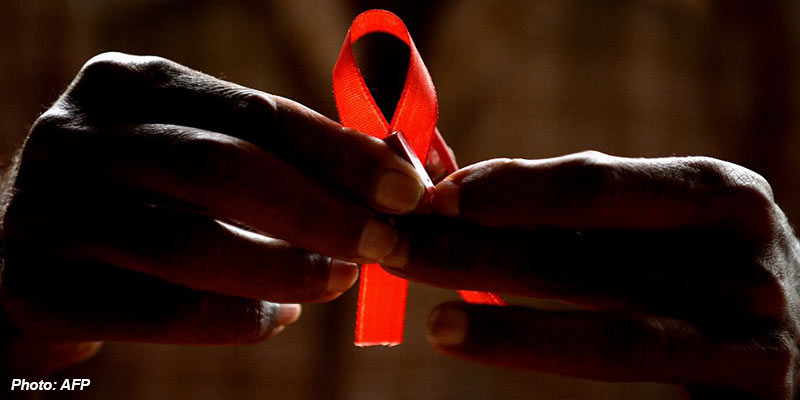
• The global response to HIV is facing its most serious setback in decades, UNAIDS warned as abrupt funding cuts and a deteriorating human rights environment disrupt prevention and treatment services across dozens of countries.
• The Joint United Nations Programme on HIV/AIDS (UNAIDS) launched its 2025 World AIDS Day report titled ‘Overcoming Disruption, Transforming the AIDS Response’ on November 25.
• Today, 40.8 million people are living with HIV worldwide, 1.3 million new infections occurred in 2024, and 9.2 million people are still not accessing treatment.
• After decades of struggle, the global HIV response was within reach of its goal of ending AIDS as a public health threat by 2030.
A global system in shock
• The UNAIDS said international assistance has sharply declined, with OECD projections showing external health funding could fall by 30-40 per cent in 2025 compared with 2023.
• The impact has been immediate and severe, especially in low and middle-income countries highly affected by HIV.
• Across 13 countries, the number of people newly initiated on treatment has fallen.
• Prevention services — already under strain before the crisis — have been hit hardest.
• Major reductions in access medicines to prevent HIV (pre-exposure prophylaxis referred to as PrEP) and sharp declines in voluntary medical male circumcision for HIV prevention have left a growing protection gap for millions.
• The dismantling of HIV prevention programmes designed with and for young women have deprived adolescent girls and young women of HIV prevention, mental health, and gender-based violence services in many countries.
• Before the crisis, adolescent girls and young women were already severely affected — 570 new HIV infections occur every day among young women aged 15–24. UNAIDS warns that dismantled prevention programmes leave them even more vulnerable.
• Community-led organisations, the backbone of HIV outreach, are also under pressure. Over 60 per cent of women-led organisations say they have had to suspend essential services.
• UNAIDS modelling now suggests that failure to restore prevention efforts could lead to an additional 3.3 million new HIV infections between 2025 and 2030.
Key facts about HIV:
• Human immunodeficiency virus (HIV) is a virus that attacks the body’s immune system. Acquired immunodeficiency syndrome (AIDS) occurs at the most advanced stage of infection.
• HIV targets the body’s white blood cells, weakening the immune system. This makes it easier to get sick with diseases like tuberculosis, infections and some cancers.
• CD4 cells, also known as CD4+ T lymphocytes, are a type of white blood cells that plays a crucial role in the immune system. HIV destroys these CD4 cells, weakening a person’s immunity against infections.
• If the person’s CD4 cell count falls below 200, their immunity is severely compromised, leaving them more susceptible to infections.
• The most advanced stage of HIV infection is acquired immunodeficiency syndrome (AIDS), which can take many years to develop if not treated, depending on the individual.
• HIV is spread from the body fluids of an infected person, including blood, breast milk, semen and vaginal fluids. It is not spread by kisses, hugs or sharing food. It can also spread from a mother to her baby.
• HIV spreads more easily in the first few months after a person is infected, but many are unaware of their status until the later stages. In the first few weeks after being infected people may not experience symptoms. The infection progressively weakens the immune system.
• There is no cure for HIV infection. It is treated with antiretroviral drugs, which stop the virus from replicating in the body.
• Current antiretroviral therapy (ART) does not cure HIV infection but allows a person’s immune system to get stronger. This helps them to fight other infections.
• HIV remains a major global public health issue, having claimed an estimated 42.3 million lives to date.