
- World
- Dec 15
UNESCO marks first ‘World Turkic Language Family Day’
• UNESCO observes the first ever ‘World Turkic Language Family Day’ on December 15.
• The new commemoration highlights the shared linguistic and cultural heritage of Turkic-speaking peoples and reinforces UNESCO’s wider commitment to multilingualism and cultural diversity.
• Turkic languages — including Azerbaijani, Kazakh, Kyrgyz, Turkish, Turkmen and Uzbek — are spoken natively by more than 200 million people across an area stretching roughly 12 million square kilometres.
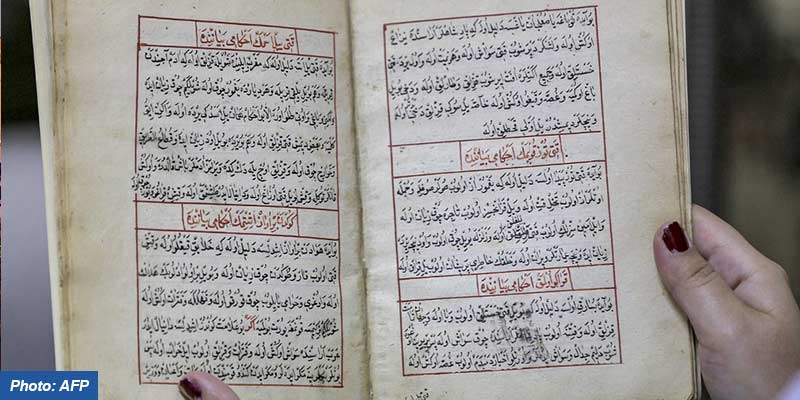
• UNESCO notes that these languages carry a rich written heritage, strong oral traditions and diverse cultural practices shared across many Member States.
• The proclamation of the new Day followed a joint request from Azerbaijan, Kazakhstan, Kyrgyzstan, Türkiye and Uzbekistan and was supported by 21 Member States, reflecting broad recognition of the value of linguistic diversity.
• The choice of December 15 is rooted in a landmark moment in linguistic scholarship.
• On that day in 1893, Danish linguist Vilhelm Thomsen announced he had deciphered the alphabet of the Orkhon Inscriptions — some of the oldest known written records of the Turkic language family.
• His breakthrough opened the door to a deeper understanding of a linguistic tradition that today connects dozens of communities across Eurasia.
• By dedicating a day to the Turkic language family, UNESCO aims to encourage linguistic cooperation, cultural exchange and dialogue among civilisations.