
- World
- Dec 30
- Sreesha V.M
UN, US sign $2 billion humanitarian funding pact for 17 crisis-hit countries
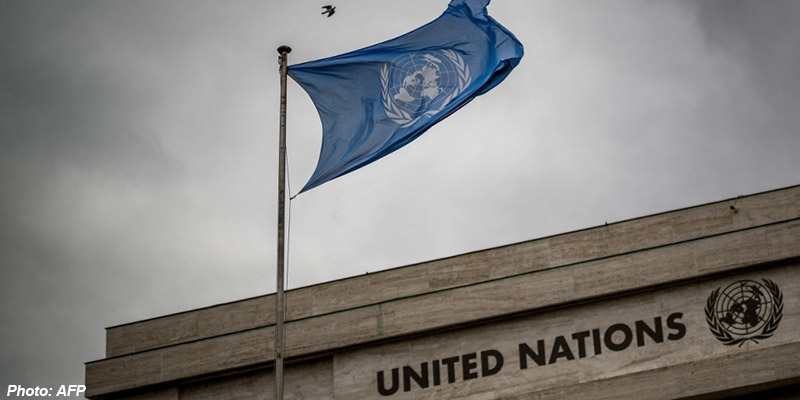
• The United Nations and the United States formalised an agreement, under which the US committed $2 billion in humanitarian assistance for global relief programmes.
• The move has significance since it comes amid major foreign aid cuts by the Trump administration.
• The UN data shows total US humanitarian contributions to the UN fell to about $3.38 billion in 2025. This was down sharply from $14.1 billion the prior year, and a peak of $17.2 billion in 2022.
• The agreement covers 17 crisis-affected countries: Guatemala, Honduras, El Salvador, Ukraine, Haiti, Nigeria, Ethiopia, South Sudan, Mozambique, Myanmar, the Democratic Republic of the Congo (DRC), Sudan, Bangladesh, Syria, Uganda, Kenya and Chad, as well as the UN Central Emergency Response Fund (CERF).
• The funding supports the UN’s 2026 plan to reach 87 million people with emergency assistance.
Central Emergency Response Fund (CERF)
• The Central Emergency Response Fund (CERF) is a humanitarian fund established by the UN General Assembly in December 2005 and launched in March 2006
• It is one of the fastest funding instruments available to help people affected by crises.
• CERF seeks to enable more timely and reliable humanitarian assistance to those affected by natural disasters and armed conflicts.
CERF’s objectives:
i) To promote early action and response to reduce loss of life.
ii) To enhance response to time-critical requirements.
iii) To strengthen core elements of humanitarian response in underfunded crises.
• CERF’s rapid response window allows country teams to kick-start relief efforts immediately in a coordinated and prioritised response when a new crisis emerges.
• The Emergency Relief Coordinator manages CERF on behalf of the UN Secretary-General and is supported by the CERF secretariat, which ensures that funds are allocated properly, disbursed in a timely manner, and that the use of funds is reported appropriately and transparently.
• Since its creation by the UN General Assembly in 2005, and with generous contributions from 130 Member States and observers, as well as other donors including private individuals, CERF has assisted hundreds of millions of people with some $9.6 billion across more than 110 countries and territories. This includes $3.3 billion to underfunded crises. CERF has an annual funding target of $1 billion.
• CERF is the leading global humanitarian funding tool for responding to climate-related humanitarian emergencies. To strengthen this function, CERF launched its Climate Action Account at COP28, offering a quick, efficient and impactful avenue for climate-related humanitarian finance.
• It aims to assist the world’s most vulnerable communities facing the consequences of the climate crisis, including through anticipatory action and life-saving projects that also build people’s adaptation and resilience.
(The author is a trainer for Civil Services aspirants.)