
- World
- Feb 07
Preventive cholera vaccination resumes globally since 2022
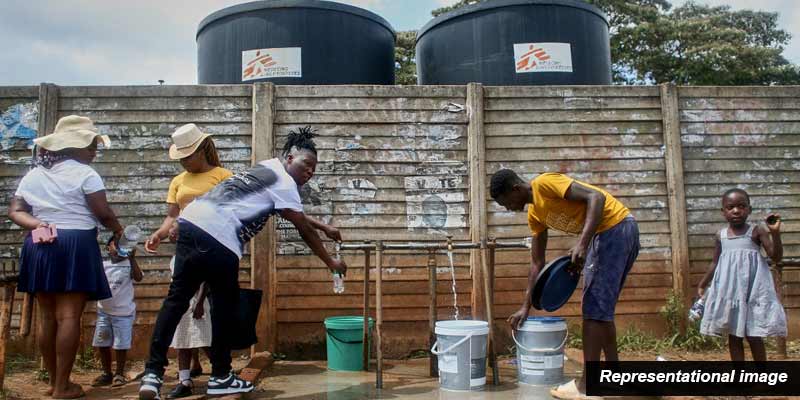
• The World Health Organisation (WHO) announced that global cholera vaccine supply has now increased to a level sufficient to allow the resumption of life-saving preventive campaigns for the first time in over three years.
• Mozambique is the first country to restart preventive vaccination, following the halt in 2022 caused by the global surge in cholera cases that drove up demand and led to shortages of oral cholera vaccine (OCV) stocks.
• The preventive vaccination campaign begins amid an ongoing cholera outbreak and the aftermath of floods that affected more than seven lakh people and displaced many.
• The floods disrupted health systems and damaged water systems, further increasing the risk of waterborne diseases such as cholera.
• A first allocation of 20 million doses is being deployed for preventive campaigns.
• Of these, 3.6 million doses were delivered to Mozambique; 6.1 million to the Democratic Republic of the Congo that is also experiencing significant outbreaks; and 10.3 million doses are planned for delivery to Bangladesh.
• The three countries were chosen based on allocation criteria set out by the Global Task Force for Cholera Control (GTFCC), a partnership of over 50 organizations, to ensure cholera vaccines for preventive campaigns are distributed systematically, equitably and transparently.
• The doses are being financed by Gavi, the Vaccine Alliance, and procured and delivered to countries by UNICEF.
Key facts about cholera:
• Cholera is an acute diarrhoeal infection caused by eating or drinking food or water that is contaminated with the bacterium Vibrio cholerae.
• Cholera remains a global threat to public health and is an indicator of inequity and lack of social development.
• Cholera is an extremely serious disease that can cause severe acute watery diarrhoea with severe dehydration.
• It takes between 12 hours and five days for a person to show symptoms after consuming contaminated food or water.
• Cholera affects both children and adults and can kill within hours if untreated.
• Most people infected with Vibrio cholerae do not develop any symptoms, although the bacteria are present in their faeces for 1-10 days after infection. This means the bacteria are shed back into the environment, potentially infecting other people.
• Most people with cholera have mild or moderate diarrhoea and can be treated with oral rehydration solution (ORS). However, the disease can progress rapidly, so starting treatment quickly is vital to save lives. Patients with severe disease need intravenous fluids, ORS and antibiotics.
• Cholera can be endemic or epidemic. A cholera-endemic area is an area where confirmed cholera cases were detected during the last three years with evidence of local transmission (meaning the cases are not imported from elsewhere).
• A cholera outbreak/epidemic can occur in both endemic countries and in countries where cholera does not regularly occur.
• More than six lakh cases of cholera or acute watery diarrhoea and nearly 7,600 deaths were reported to WHO from 33 countries in 2025.
• Since 2021, global cholera cases have risen year after year, with a decline observed in 2025.
• Cholera deaths, however, have continued to increase over the same period.
• Cholera is often predictable and preventable. It can ultimately be eliminated where access to clean water and sanitation facilities, as well as good hygiene practices, are ensured and sustained for the whole population.
• Measures for the prevention of cholera mostly consist of providing clean water and proper sanitation to populations who do not yet have access to basic services, as well as vaccination with oral cholera vaccines.
• Health education and good food hygiene are also essential.
• Since the creation of the global stockpile in 2013, more than 50 million doses of oral cholera vaccines (OCV) have been successfully used in various settings through mass campaigns.
• While vaccination is an important tool, safe drinking water, sanitation and hygiene remain the only long-term and sustainable solutions to ending cholera outbreaks and preventing future ones.