
- World
- Feb 14
- Sreesha V.M
WHO prequalifies new oral polio vaccine nOPV2
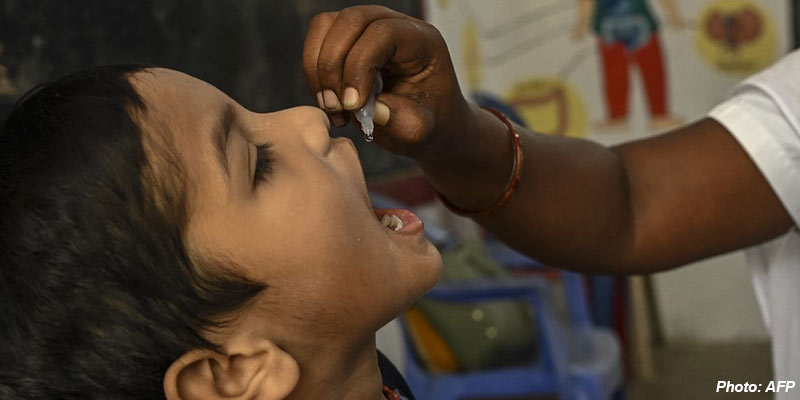
• The World Health Organisation (WHO) has prequalified an additional novel oral polio vaccine type 2 (nOPV2).
• The nOPV2 was developed to address outbreaks of circulating vaccine-derived poliovirus type 2 (cVDPV2), which can emerge in under-immunized populations.
• Compared with the traditional monovalent oral polio vaccine type 2, nOPV2 is designed to be more genetically stable, reducing the risk of seeding new outbreaks while retaining its effectiveness in rapidly interrupting virus transmission.
• The prequalification designation indicates that the vaccine meets international standards of quality, safety, and efficacy for global immunisation programmes.
• It enables the vaccine to be purchased and supplied through United Nations procurement agencies, including UNICEF, supporting its use across multiple country settings for the prevention and control of poliovirus transmission.
• With this latest addition, WHO continues to diversify and strengthen the manufacturing base for quality-assured nOPV2, helping to ensure a more resilient, reliable and sustainable vaccine supply for countries responding to outbreaks.
• Expanding the pool of prequalified nOPV2 is a key step toward ensuring that countries can respond rapidly and effectively to outbreaks, protect communities, and move closer to a world free of polio.
Key points on polio:
• Poliomyelitis (polio) is a highly infectious viral disease that largely affects children under five years of age. The virus is transmitted by person-to-person spread mainly through the faecal-oral route or, less frequently, by a common vehicle (for example, contaminated water or food) and multiplies in the intestine.
• It can infect a person’s spinal cord, causing paralysis and possibly permanent disability and death.
• Of the three strains of wild poliovirus (type 1, type 2 and type 3), wild poliovirus type 2 was eradicated in 1999 and no case of wild poliovirus type 3 has been found since the last reported case in Nigeria in November 2012. Both strains have officially been certified as globally eradicated. At present, wild poliovirus type 1 affects two countries — Pakistan and Afghanistan.
• Economic modelling has found that the eradication of polio would save at least $40-50 billion, mostly in low-income countries.
• There are two vaccines available: oral polio vaccine and inactivated polio vaccine.
• Both are effective and safe, and both are used in different combinations worldwide, depending on local epidemiological and programmatic circumstances, to ensure the best possible protection to populations can be provided.
Eradication of polio in India
• India was certified polio-free by the Regional Polio Certification Commission in 2014.
• The last case of wild poliovirus in the country was reported in 2011 from Howrah, West Bengal and no wild poliovirus cases have been reported thereafter from any state/UT.
(The author is a trainer for Civil Services aspirants.)