
- World
- Feb 23
20 years of Maritime Labour Convention
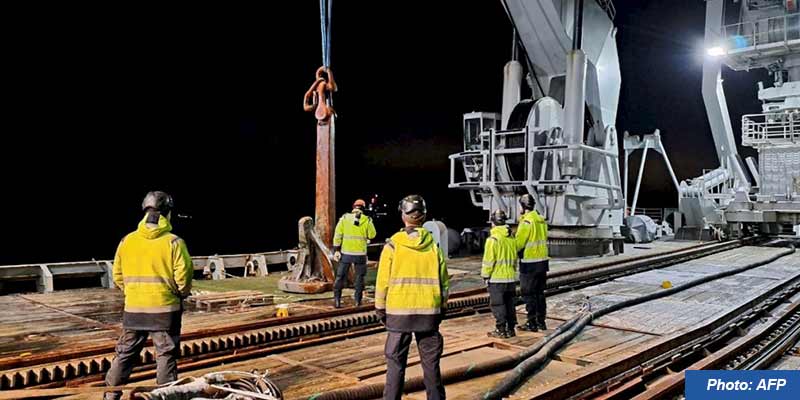
• The International Labour Organisation (ILO) and the International Maritime Organisation (IMO) marked the 20th anniversary of the adoption of the Maritime Labour Convention (MLC), 2006.
• It is a landmark treaty that has reshaped working and living conditions for seafarers worldwide and strengthened fair competition in global shipping.
• Adopted on February 23, 2006 by the International Maritime Labour Conference through an unprecedented tripartite consensus, the MLC stands as a powerful example of social dialogue and multilateral cooperation in action.
• The governments, shipowners and seafarers came together to establish a comprehensive global framework to regulate working and living conditions in one of the world’s most international industries.
• The MLC needed ratification by 30 ILO member States, representing more than 33 per cent of the world’s gross shipping tonnage, to enter into force.
• It entered into force on August 20, 2013.
• Since then, it has become a worldwide reference for the maritime industry and a pillar of international maritime rules and regulations.
• India ratified the MLC in October 2015.
• Currently, over 100 countries have ratified MLC. It means more than 96 per cent of the world’s gross shipping tonnage is covered by the MLC, which also applies to most countries that supply workers for the sector.
• The MLC is considered the ‘fourth pillar’ of the most important maritime regulations covering international shipping, along with:
i) International Convention for the Safety of Life at Sea (SOLAS).
ii) International Convention for the Prevention of Pollution from Ships (MARPOL).
iii) International Convention on Standards of Training, Certification and Watchkeeping for Seafarers (STCW).
• These three IMO treaties were first adopted in the 1970s and have each been ratified by more than 150 countries.
Impact of MLC
• The MLC brought together a large number of existing labour standards that no longer reflected contemporary working and living conditions, or inadequate enforcement and compliance systems.
• Combining them into one Convention makes it easier for countries to regulate and enforce consistent industry norms and standards worldwide, according to the ILO.
• The Convention has delivered concrete improvements for millions of seafarers.
• By setting clear and enforceable minimum standards covering conditions of employment, wages, hours of work and rest, accommodation, health protection, medical care, welfare and social security, and by underpinning them with strong compliance and enforcement mechanisms, the MLC has effectively contributed to the realisation of decent work at sea.
• Despite undeniable progress, significant challenges remain.
• Seafarers and the shipping industry continue to face unlawful attacks on ships, abandonment and criminalisation of seafarers, fatigue, unpaid wages and denial of shore leave.
• Yet, the MLC is designed as a living instrument, capable of adapting to new and persistent challenges through tripartite dialogue.
• The Special Tripartite Committee of the MLC — the body responsible for keeping the Convention under review — has demonstrated its capacity to adopt necessary amendments, ensuring that the Convention remains responsive to emerging realities and to the need for continuous improvements of seafarers’ rights.