
- World
- Mar 07
- Sreesha V.M
Japan confirms new bird flu outbreak in Hokkaido
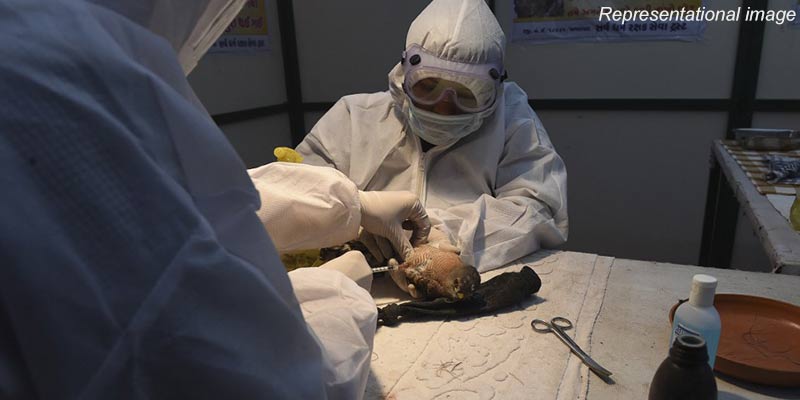
• The Japanese government confirmed a new outbreak of Avian Influenza (bird flu) at a poultry farm in the northern prefecture of Hokkaido.
• The affected farm is located in the town of Abira and houses approximately 190,000 chickens.
• The farm alerted local authorities after birds showed suspected symptoms, and subsequent rapid and genetic testing confirmed the presence of the virus.
• This marks the fourth case in Hokkaido and the 21st outbreak nationwide for the current flu season, which typically runs from autumn to spring (September-May).
• The outbreak is part of a larger global pattern, as a variant of the H5N1 virus has led to widespread deaths among wild birds and poultry across Africa, Asia, Europe, and the Americas since 2020.
Bird flu (Avian Influenza)
• Bird flu (Avian Influenza) is a contagious viral disease affecting several species of food producing birds (chickens, turkeys, quails, guinea fowl, etc), as well as pet birds and wild birds.
• Occasionally mammals, including humans, may contract Avian Influenza, says World Organisation For Animal Health (OIE).
• Avian Influenza has captured the attention of the international community over the years, with outbreaks in poultry having serious consequences on both livelihoods and international trade in many countries.
• India notified the first outbreak of Avian Influenza in 2006. Since then, outbreaks have been reported in many states. The disease spreads mainly by migratory birds coming into India during winter months, September-October to February-March.
Economic consequences
• Avian influenza outbreaks can have heavy consequences for the poultry industry, the health of wild birds, farmer’s livelihoods as well as international trade.
• Farmers might experience a high level of mortality in their flocks, with rates often around 50 per cent.
• Job losses in developing countries can be significant due to the labour intensive nature of the poultry industry.
• Healthy birds are often culled to contain outbreaks, resulting in risks to animal and human welfare, protein wastage and economic impacts.
• The presence of Highly Pathogenic Avian Influenza (HPAI) restricts international trade in live birds and poultry meat This can heavily impact national economies.
• Often considered mainly as vectors of the disease, wild birds, including endangered species, are also victims. The consequences of avian influenza on wildlife could potentially lead to a devastating effect on the biodiversity of our ecosystems.
Human infection with Avian Influenza
• Although most Avian Influenza viruses do not infect humans, some, such as Avian Influenza H5N1, H7N9 and H9N2, are well known to the public because of their implication in serious and sometimes fatal infections in people.
• H5N1, for example, a highly pathogenic AI virus, was initially diagnosed in humans in Hong Kong in 1997. The virus then re-emerged in 2003 and 2004, and spread from Asia to Europe and Africa causing several hundred human cases and deaths, as well as destruction of hundreds of millions of poultry.
• This Asiatic form of H5N1 triggered concern from scientists and authorities and remains under close surveillance due to its feared pandemic potential if a mutation allows it to be transmitted from human to human.
• Nowadays, due to ongoing circulation of various strains (H5N1, H5N2, H5N8, H7N8, etc), outbreaks of Avian Influenza continue to be a global public health concern.
(The author is a trainer for Civil Services aspirants.)